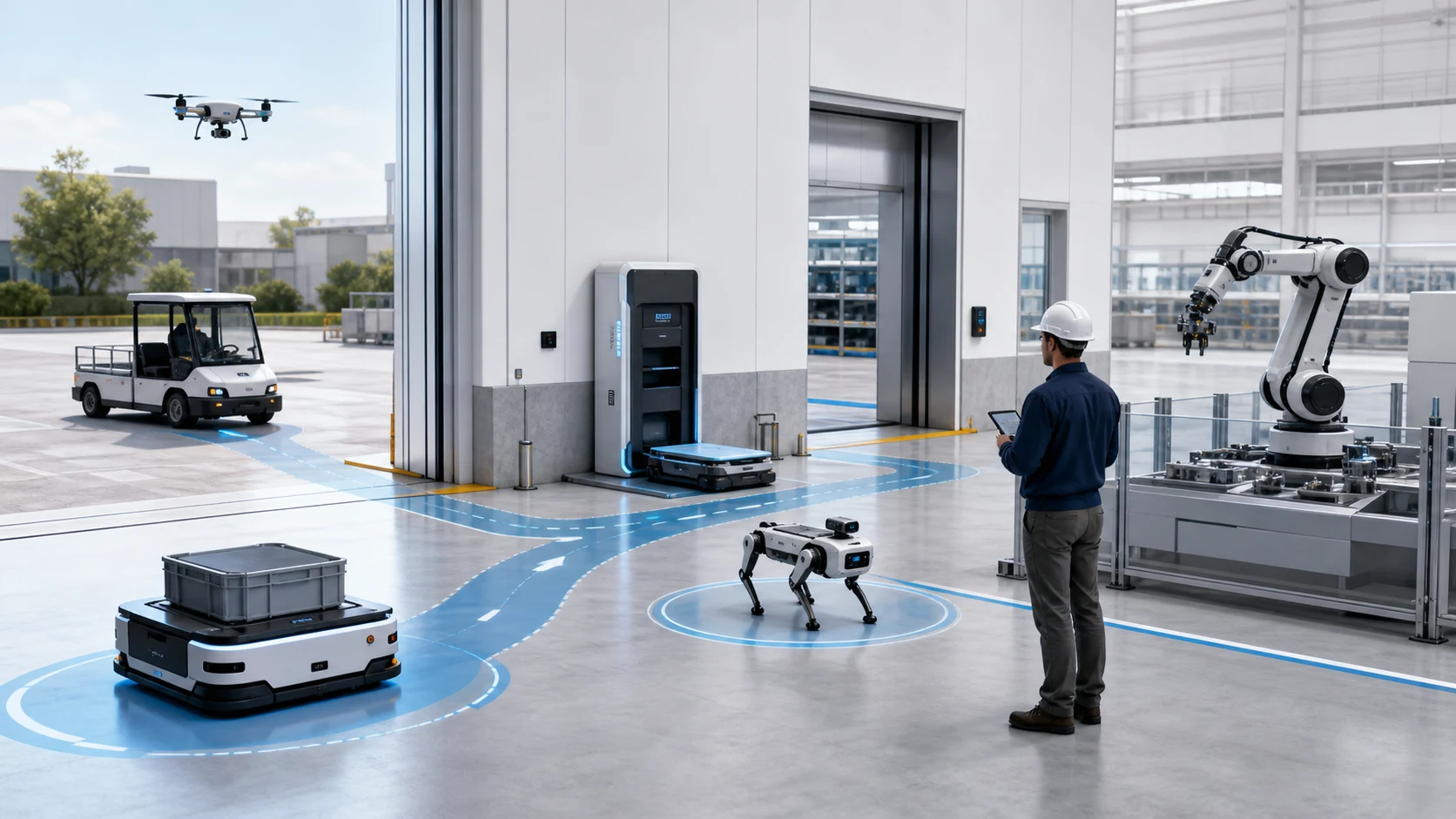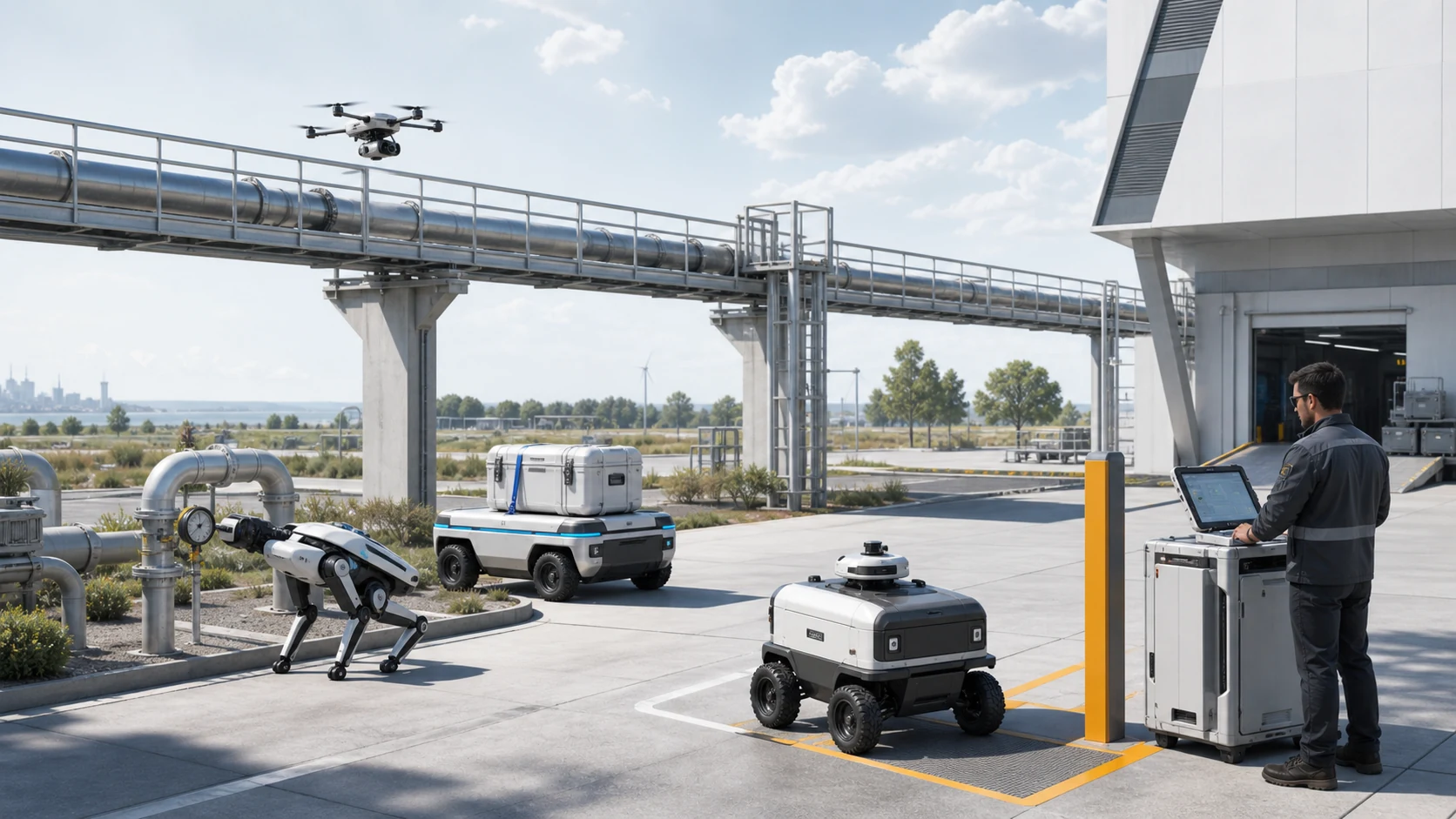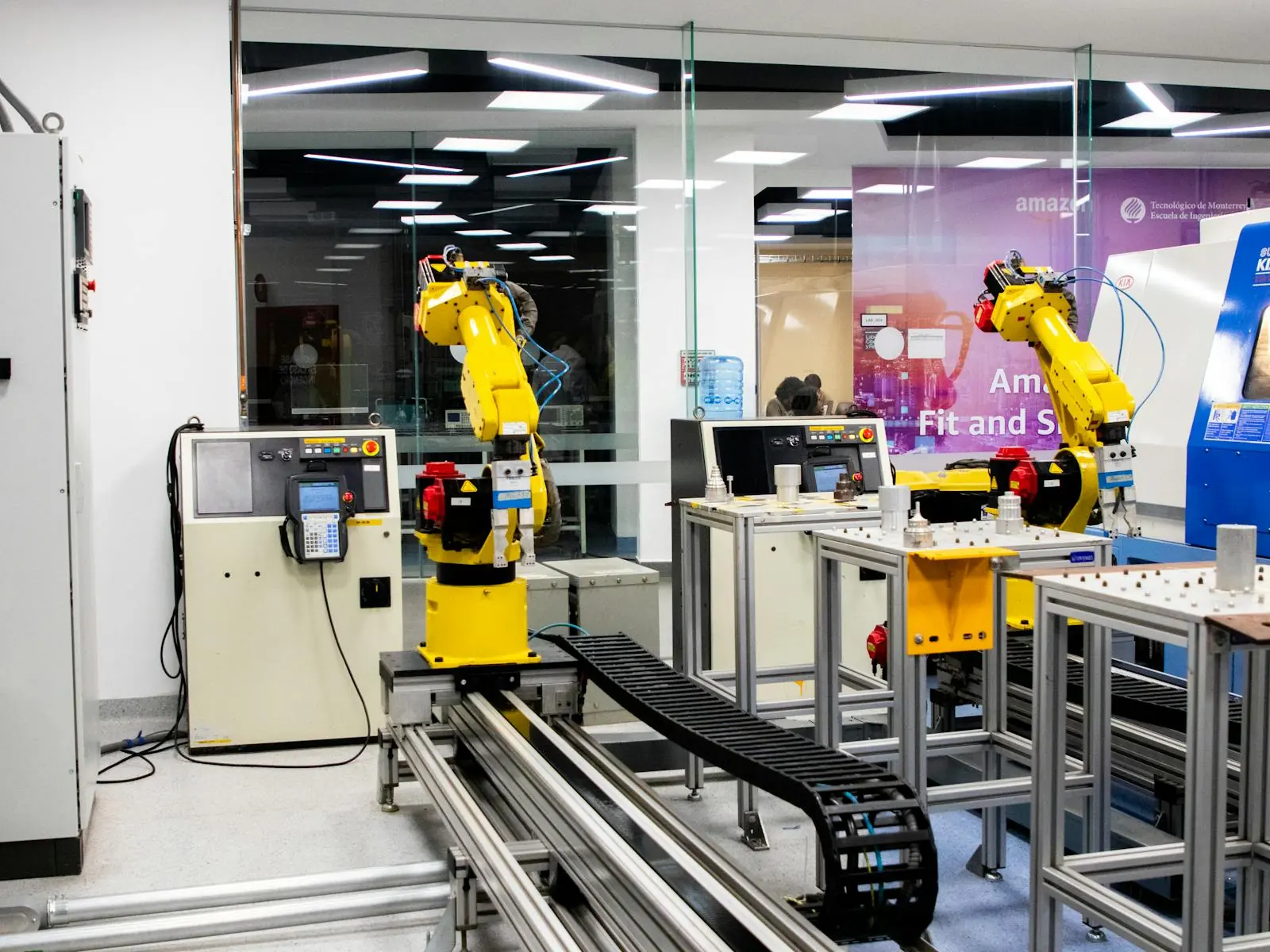
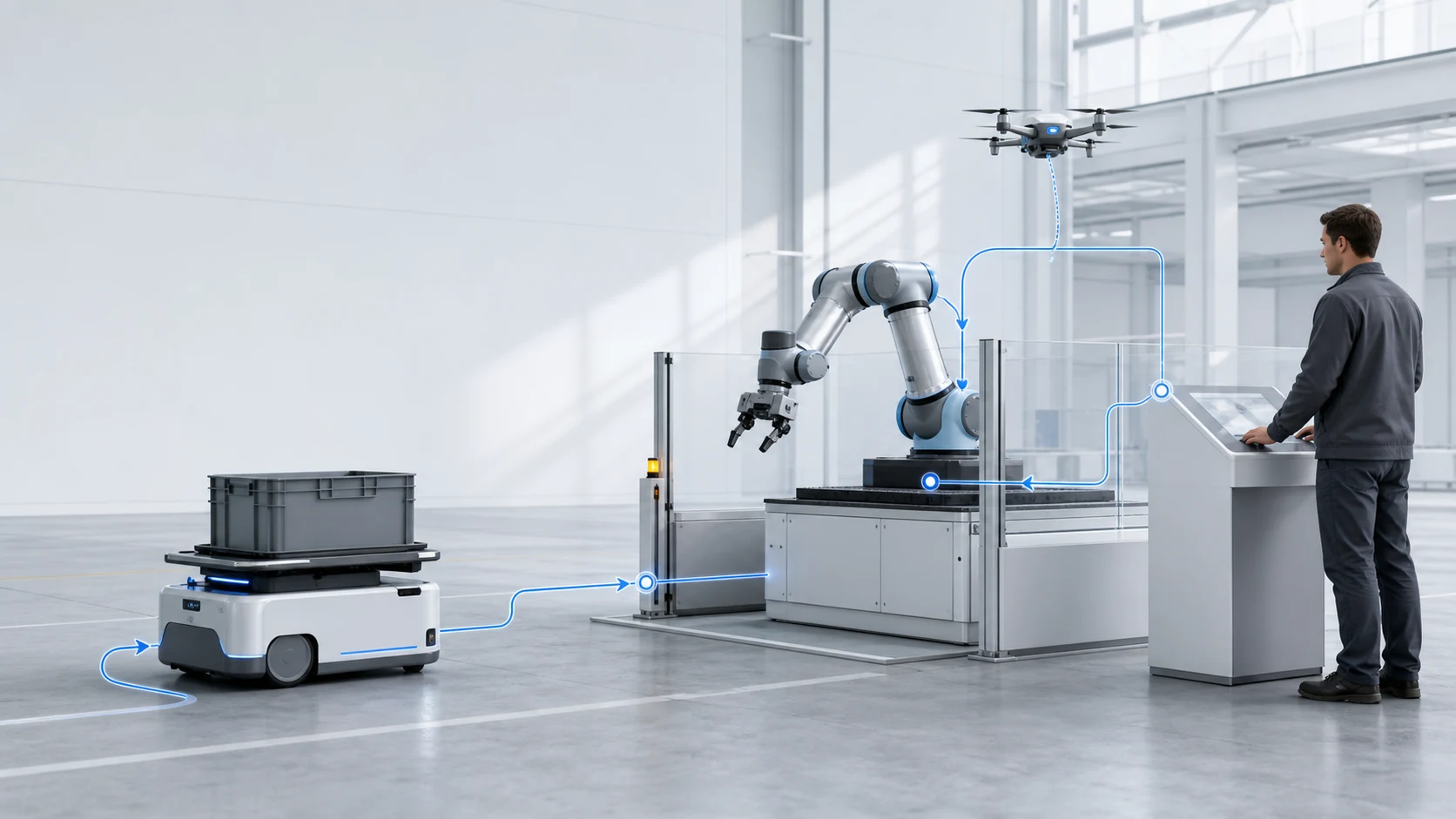
Robotics and industrial AI are shifting from single impressive demos to fleets that must survive noisy sensors, low latency, real facilities, and strict deployment windows.
NVIDIA's 2026 physical AI announcements, Jetson Thor positioning, Isaac workflows, Cosmos models, and GR00T robotics direction point to a larger architectural shift: robotics products now need a cloud-to-edge development loop. Models are trained, simulated, evaluated, packaged, deployed to devices, monitored, and improved. That loop is the product, not the demo video.
NeuralOS sits in the most critical part of that loop. The operating system needs to manage inference backends, real-time control, hardware acceleration, secure communications, telemetry discipline, OTA updates, and rollback behavior. In a factory, drone program, or mobile robot fleet, a model that cannot be safely shipped is only a research artifact. A runtime that can package the model, expose diagnostics, and keep running offline is what turns it into infrastructure.
The business lesson is that edge AI teams should plan for maintenance on day one. Versioned builds, device identity, signed packages, resource budgets, and observability should appear in the architecture before the first pilot. The best edge systems feel quiet in production because the operational work was designed into the product surface from the beginning.