
P01
Mission and value clarity
Decision questionWhich operating decisions are important enough to justify an AI-enabled change, and how will the organisation know that the change helped?
SVAI & Quantum Strategy
Turn operating priorities, data readiness, risk, and technology maturity into a costed roadmap with explicit investment gates.
Executive leadership · Innovation teams · Regulated programs

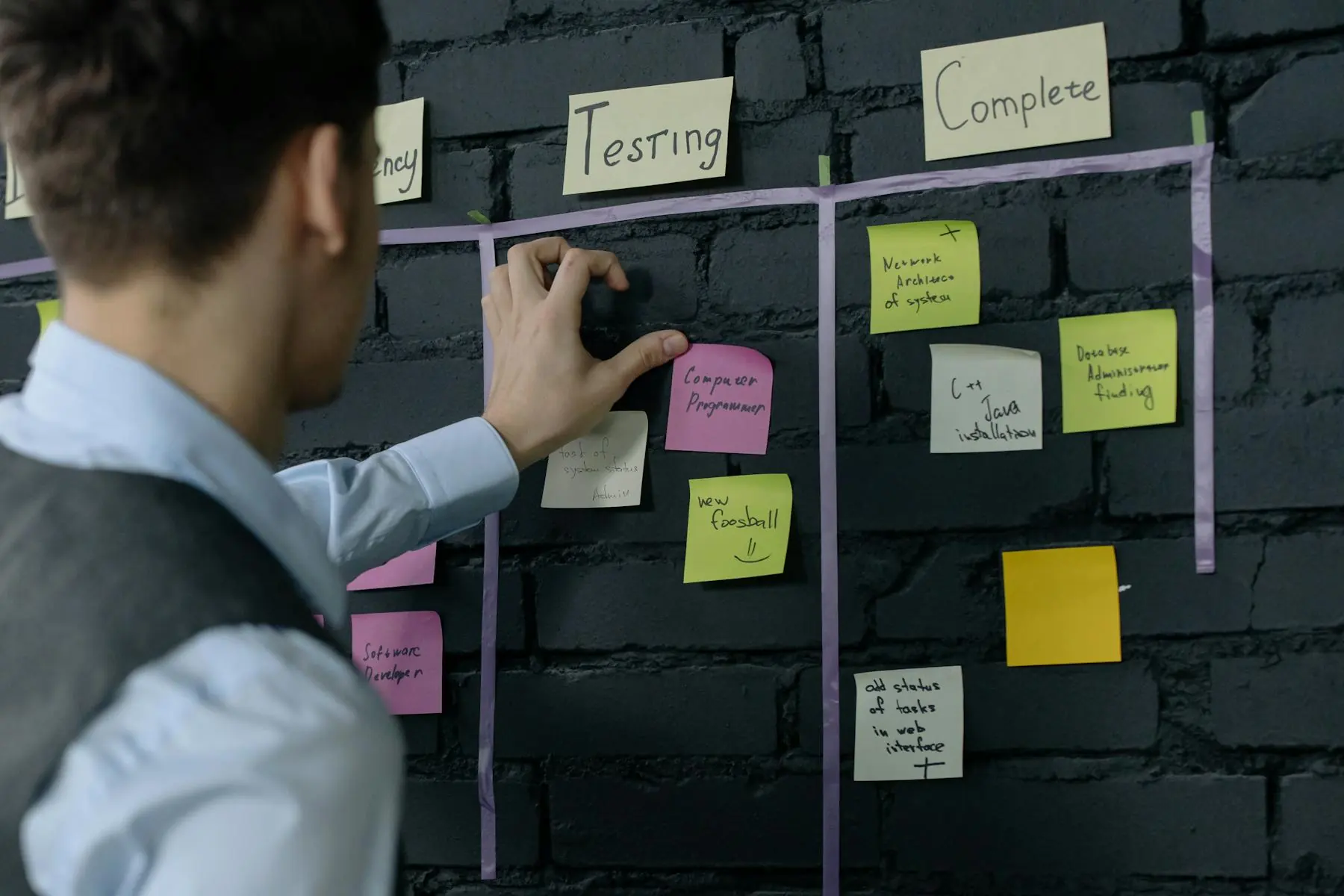
Strategy operating model · Engineering setting
Strategy work connects leadership priorities, operating constraints, architecture choices, risk controls, and explicit investment decisions in one facilitated review path.
01 · Mission context
A useful strategy connects operating priorities to data, architecture, assurance, ownership, and investment decisions. It must also separate capabilities that can be engineered now from quantum opportunities that remain experimental or depend on future hardware.
Portfolio framing
The first strategy task is to turn broad ambitions into decision narratives. Each candidate should name the user, the operating choice that may change, the present baseline, the cost of error, and the non-AI alternative. That framing makes it possible to compare initiatives that otherwise arrive as unrelated demonstrations or vendor proposals.
P01
Decision questionWhich operating decisions are important enough to justify an AI-enabled change, and how will the organisation know that the change helped?
P02
Decision questionWhich initiatives should proceed, pause, or remain under observation based on value, feasibility, dependency, and risk?
P03
Decision questionWhat must be repaired or built in the data and platform estate before the first delivery tranche can start responsibly?
P04
Decision questionWhich controls are required now, which quantum-safe actions should begin now, and which quantum opportunities should stay in research?
The portfolio can then be separated into delivery lanes with different clocks. Near-term AI engineering, data and platform remediation, post-quantum migration, and exploratory quantum research should not compete under one maturity label. Dependencies, evidence gaps, and explicit proceed, pause, or monitor gates show leadership what can be funded now and what must wait.
Mission and value clarity. Teams often begin with model names or vendor demonstrations before agreeing on the decision, workflow, user, and measurable operating outcome that matter.
Portfolio sequencing. Use cases compete for the same data owners, security reviewers, platform teams, and budget. An unsequenced portfolio creates parallel pilots that cannot cross a release gate.
Data and platform readiness. A promising use case can still fail when source authority, data rights, interface quality, identity controls, or target-runtime constraints are unresolved.
Assurance and quantum horizon. AI governance, post-quantum migration, quantum experimentation, and production engineering operate on different clocks and require different evidence.
02 · Delivery system
Inputs, outputs, maturity, and the evidence boundary travel together. Capability is never separated from the condition under which it can be accepted.
Frame each candidate around a named user, decision, workflow, consequence of error, expected benefit, and non-AI alternative before scoring it.
Output · Prioritised use-case register, decision narratives, dependency map, value hypotheses, owners, and proceed/pause/monitor recommendations.
Map authoritative sources, access paths, integration constraints, target environments, identity boundaries, and operational dependencies for the leading use cases.
Output · Current-state map, target architecture, readiness gaps, dependency owners, remediation backlog, and build-versus-buy decisions.
Define decision rights, human authority, risk tiers, test expectations, release gates, incident ownership, and evidence retention before procurement or build work expands.
Output · Governance operating model, requirements-to-evidence crosswalk, review calendar, escalation path, and pilot exit criteria.
Separate near-term cryptographic migration from research questions in quantum sensing, optimisation, simulation, and hybrid quantum-classical workflows.
Output · PQC action lane, quantum opportunity map, experiment prerequisites, evidence standard, review triggers, and explicit no-go conditions.
Frame each candidate around a named user, decision, workflow, consequence of error, expected benefit, and non-AI alternative before scoring it.
Map authoritative sources, access paths, integration constraints, target environments, identity boundaries, and operational dependencies for the leading use cases.
Define decision rights, human authority, risk tiers, test expectations, release gates, incident ownership, and evidence retention before procurement or build work expands.
Separate near-term cryptographic migration from research questions in quantum sensing, optimisation, simulation, and hybrid quantum-classical workflows.
03 · System boundary
The target architecture connects mission value to authoritative data, trust controls, delivery platforms, and assurance rather than presenting those topics as separate workstreams. The first delivery tranche is chosen only after its source systems, identity boundaries, operating constraints, review obligations, and responsible owners are visible together.
Reference layers support scoping. Interfaces, owners, and target-system constraints remain subject to validation.
Connect strategic objectives to operating decisions, accountable owners, affected users, value hypotheses, and consequences of failure.
Typical elements · Mission threads, process baselines, portfolio scorecards, decision rights, benefit owners, and investment gates.
Identify authoritative data, permissible use, provenance, identity, access, retention, and cross-domain constraints before choosing a model.
Typical elements · Data products, source registers, classification labels, identity boundaries, lineage, and quality controls.
Define how models, agents, tools, APIs, edge runtimes, telemetry, and human interfaces move from evaluation to controlled operation.
Typical elements · Reference architectures, evaluation environments, model gateways, approval services, edge targets, and observability paths.
Keep governance, TEV&V, cybersecurity, post-quantum migration, and longer-horizon quantum experiments tied to explicit evidence and review events.
Typical elements · Control crosswalks, release gates, incident loops, cryptographic inventories, QFlow records, and research watchpoints.
Handover should leave a living decision system, not a static slide deck. Assumptions, unresolved dependencies, investment gates, review dates, and stop conditions remain attached to the portfolio record so later changes in policy, hardware, cryptographic standards, or organisational priorities can be evaluated without rebuilding the strategy from memory.
04 · Assurance dossier
The primary story remains calm; profiles, scope, handover evidence, and discovery questions stay available as a structured technical annex.
Several business units are running disconnected AI pilots while compliance, platform, and data teams receive requests too late.
A defence or critical-infrastructure programme wants to combine sensor data, decision support, edge inference, and supervised autonomy without obscuring human authority.
Leadership needs to respond to quantum-security exposure while evaluating research proposals that make different hardware and advantage assumptions.
Included in this service pattern
Not implied by this page
Handover evidence
Every prioritised initiative links an operating objective, user, workflow, owner, dependency, risk, value hypothesis, and recorded gate decision.
Architecture and readiness findings cite the supplied systems, data, policies, interviews, and assumptions; unknowns have owners and resolution actions.
The first tranche has scope, prerequisites, team roles, acceptance questions, assurance reviews, decision dates, and an exit or stop condition.
Production engineering, prototype work, PQC migration, and quantum research are labelled separately, with no advantage or readiness claim presented without evidence.
Discovery questions
Evidence register
References shape requirements and review questions. Inclusion does not imply certification, endorsement, partnership, or approval by the publisher.
05 · Engagement record
Inspectable outputs close the engagement; related services point only to the next bounded step.
Deliverables
Engagement artifacts
05 records per engagement
AI & Quantum Strategy
Align operating priorities, data, risk, technology maturity, and investment gates in one focused strategy engagement.