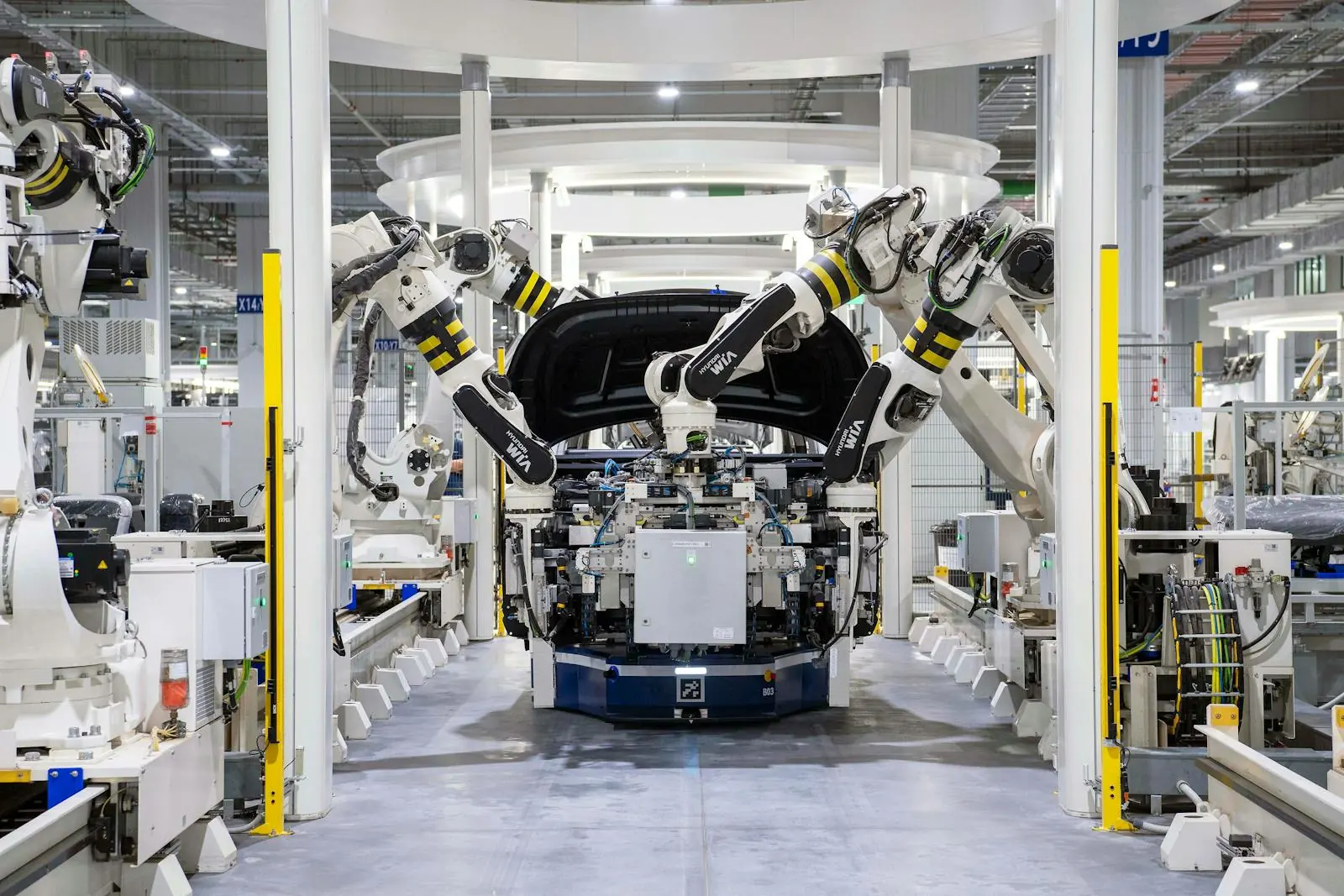
Sensors, ECUs, and vehicle networks. Camera, radar, lidar, ultrasonic, GNSS/IMU, diagnostics, domain controllers, gateways, and safety mechanisms remain platform-specific.
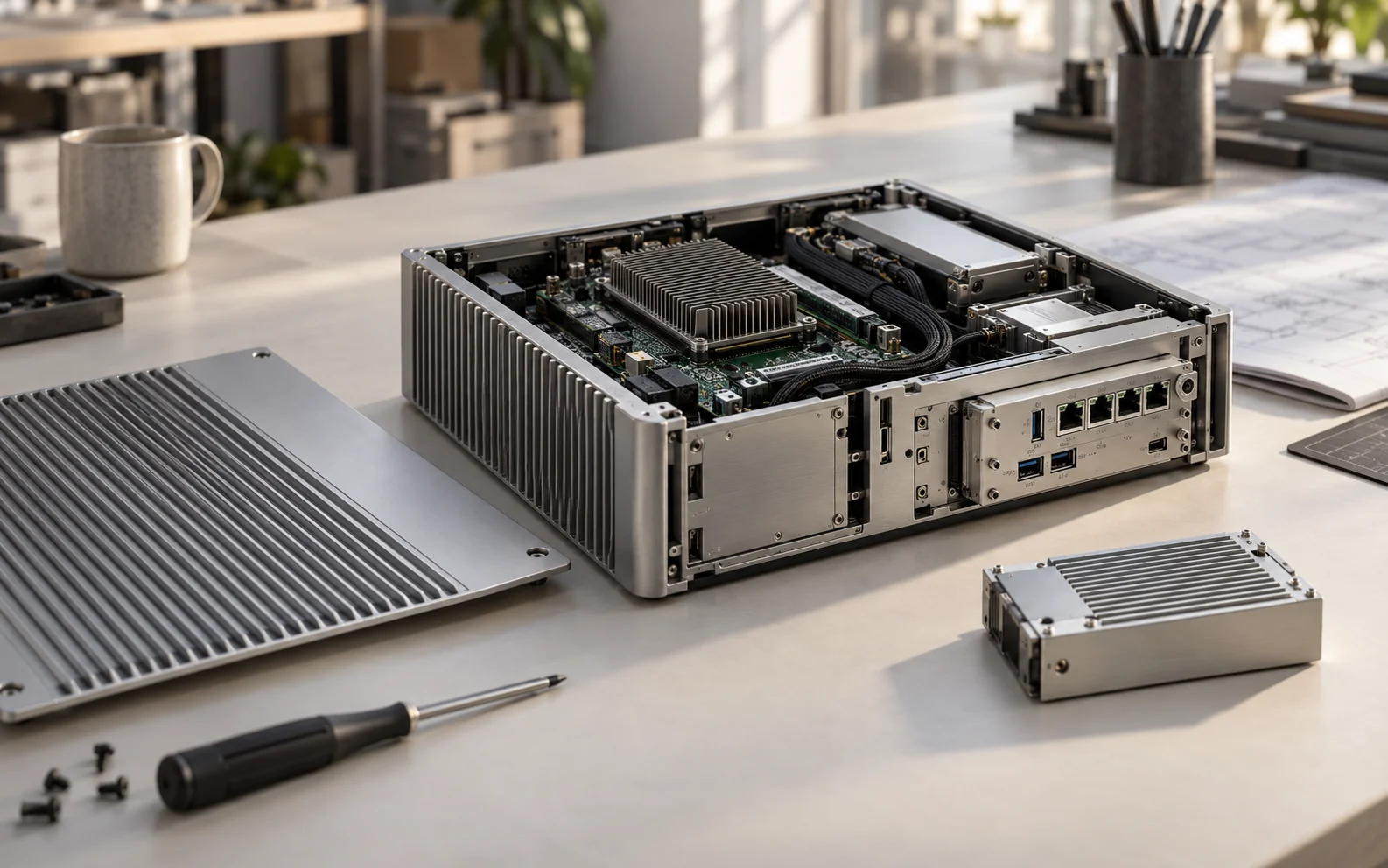
Vehicle compute and edge runtime. Model execution, preprocessing, local policy, health, logging, isolation inputs, and update agent run on defined target hardware.
Connectivity and fleet platform. Secure telemetry, diagnostics, update, vehicle identity, cohort, command authorization, cryptographic inventory, supplier evidence, and offline reconciliation connect vehicle and operator.
Operations and engineering workflows. NowFlow links incidents, service, campaign approval, fleet action, engineering review, customer systems, and evidence.
Simulation, validation, and lifecycle. Requirements, scenarios, models, cryptographic dependencies, test runs, target benchmarks, releases, incidents, supplier changes, and corrective actions remain traceable.