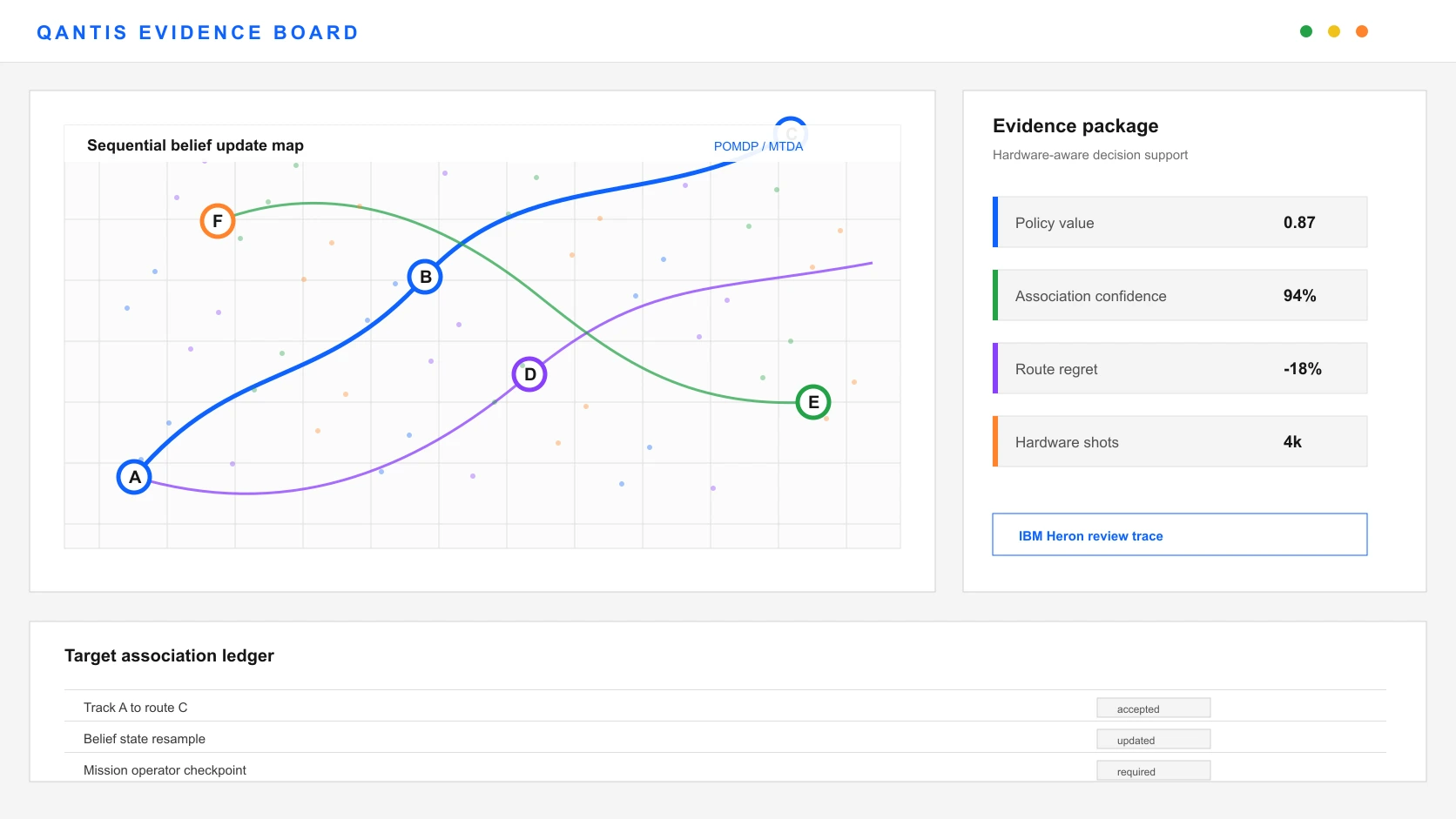
QANTIS decision-evidence board
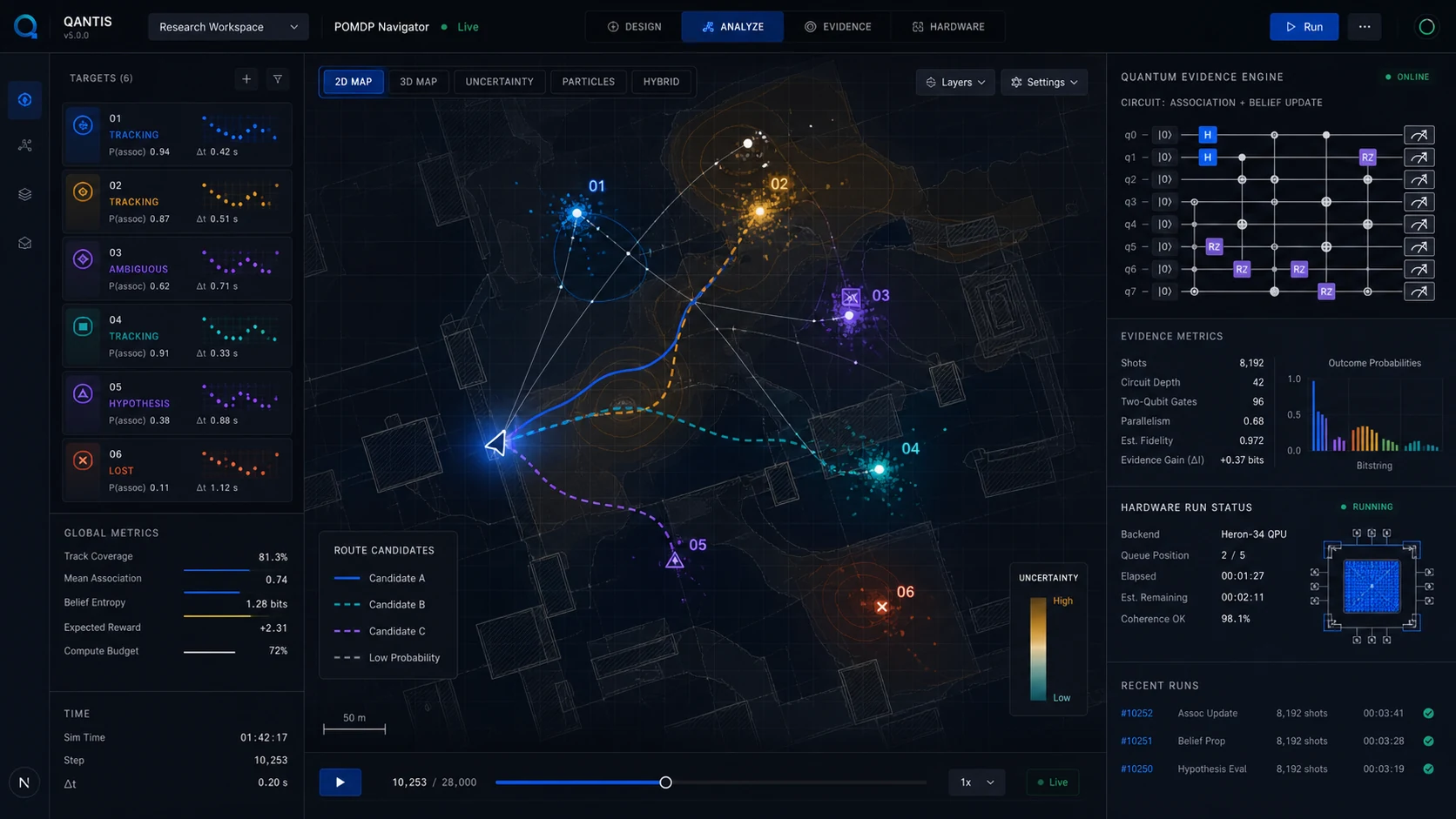
The QANTIS research surface the team is named after: decision evidence, uncertainty framing, and hardware-validated experiment records.
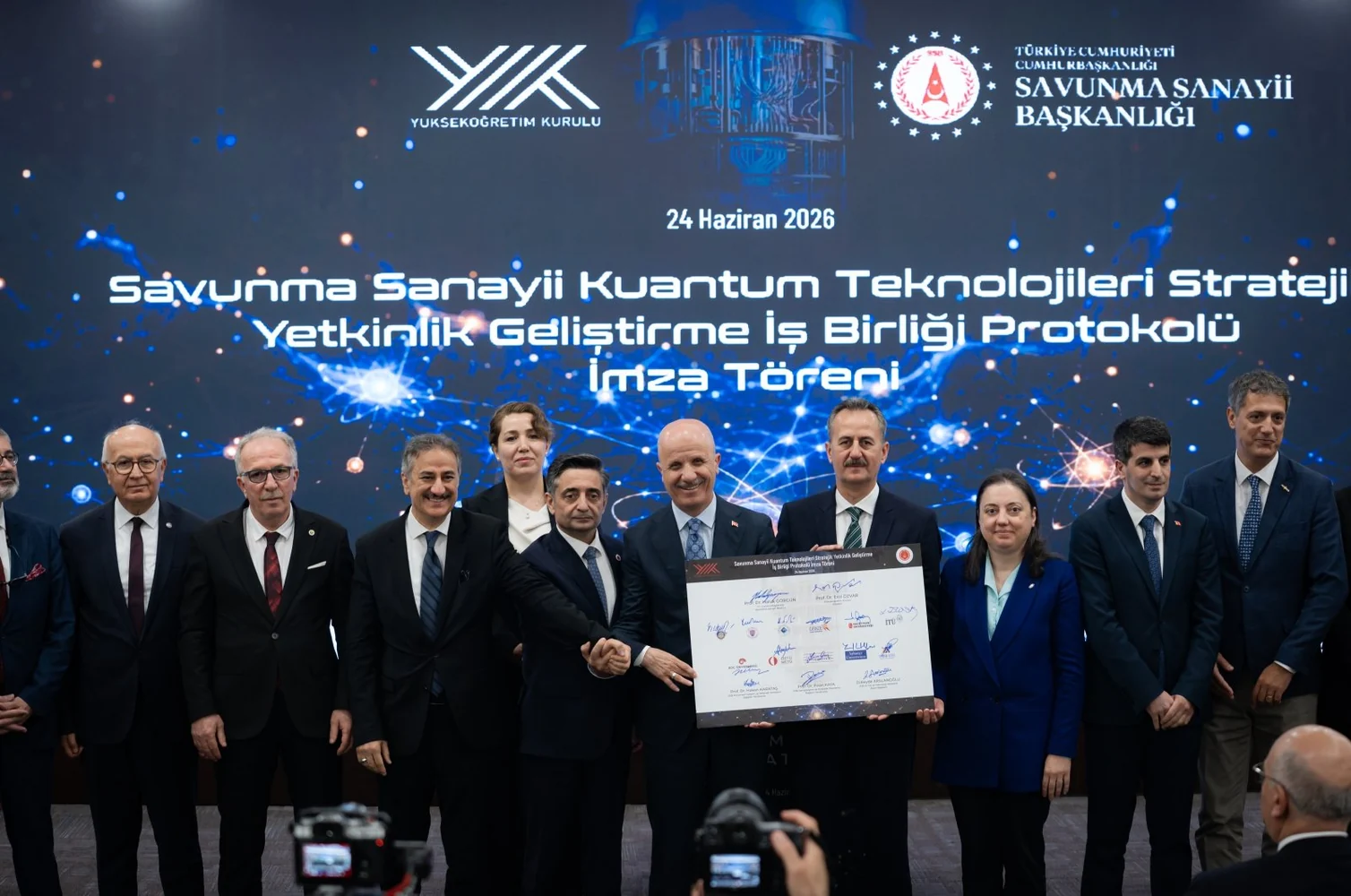
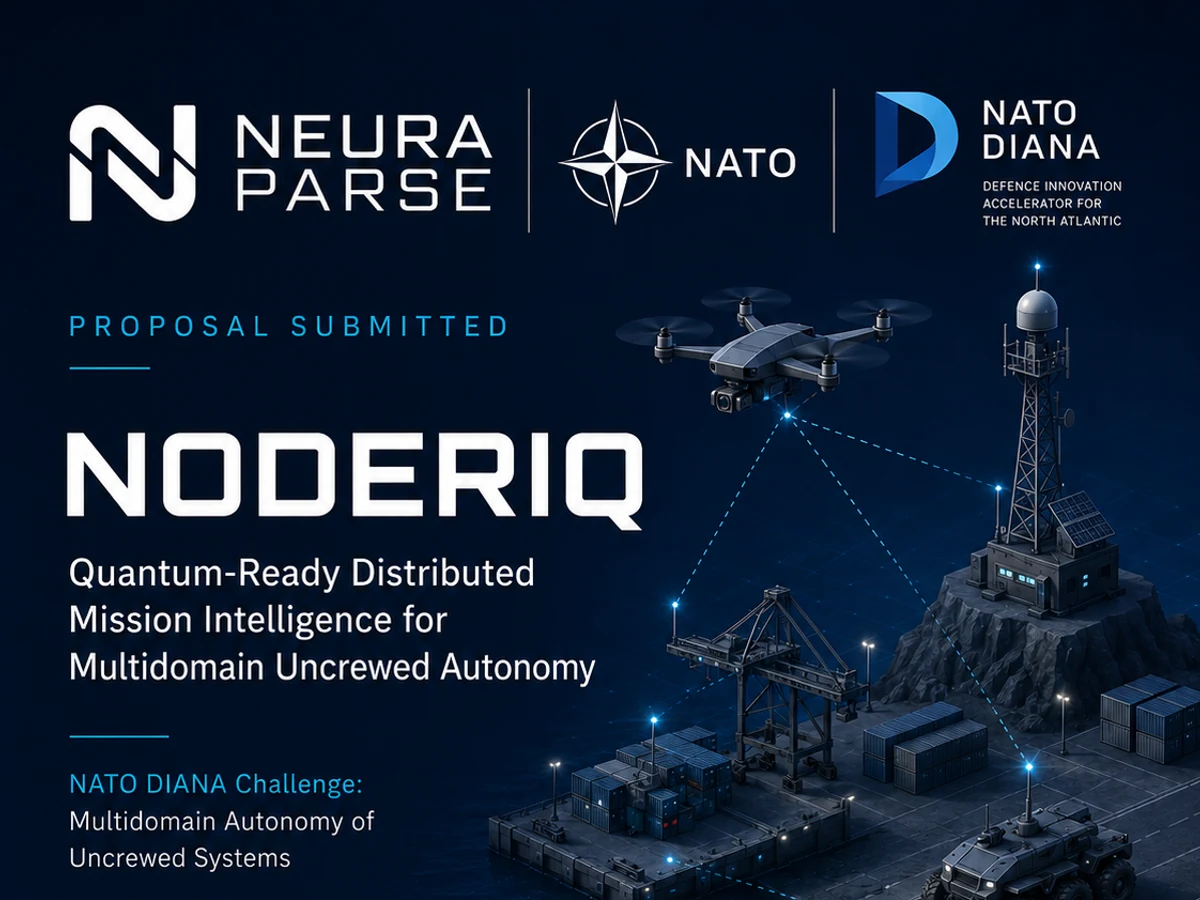
SSB Quantum Program context
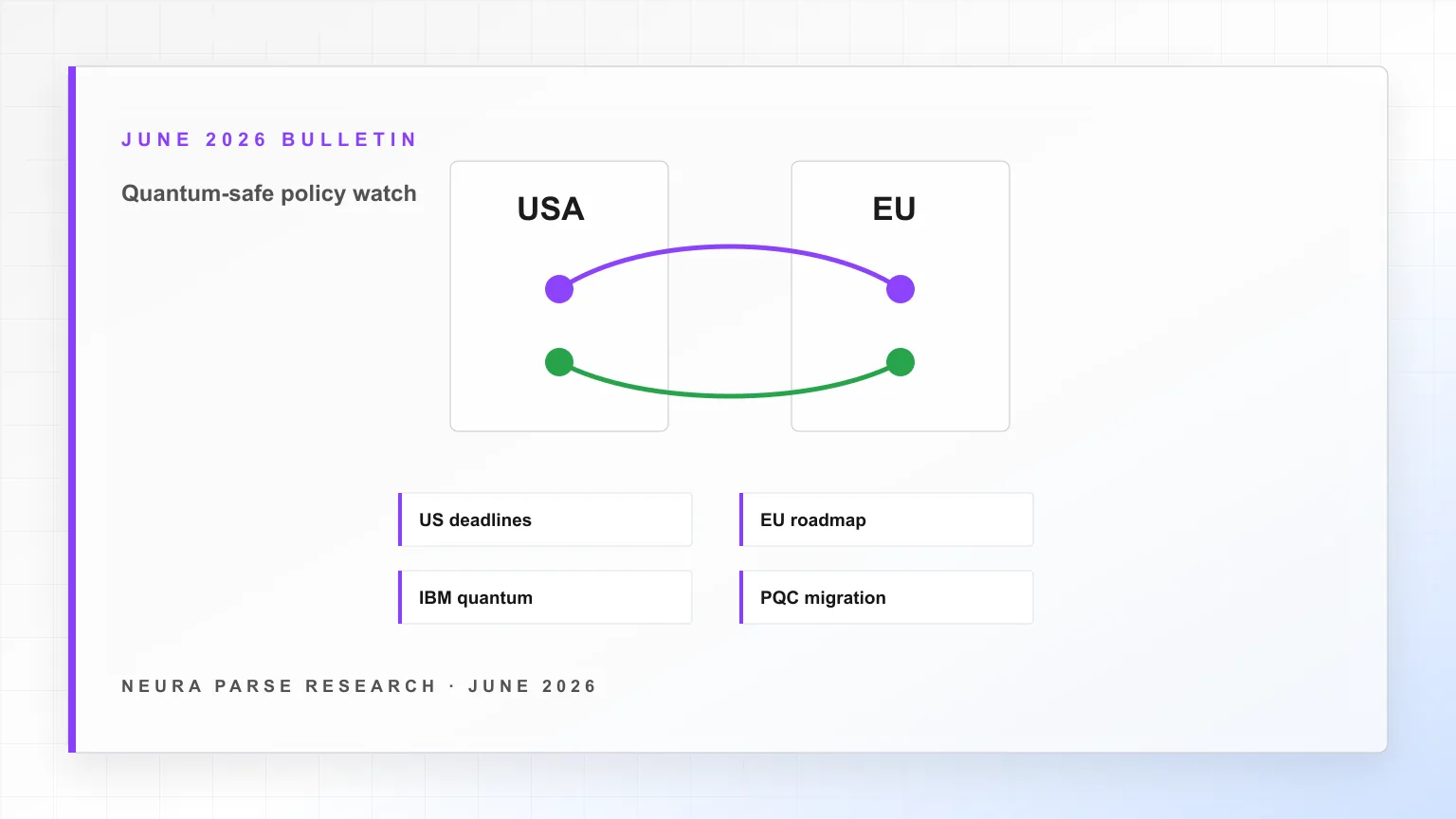
Public coverage of the SSB Quantum Program launch that introduced the competition; see our 24 June event bulletin for the full field note.
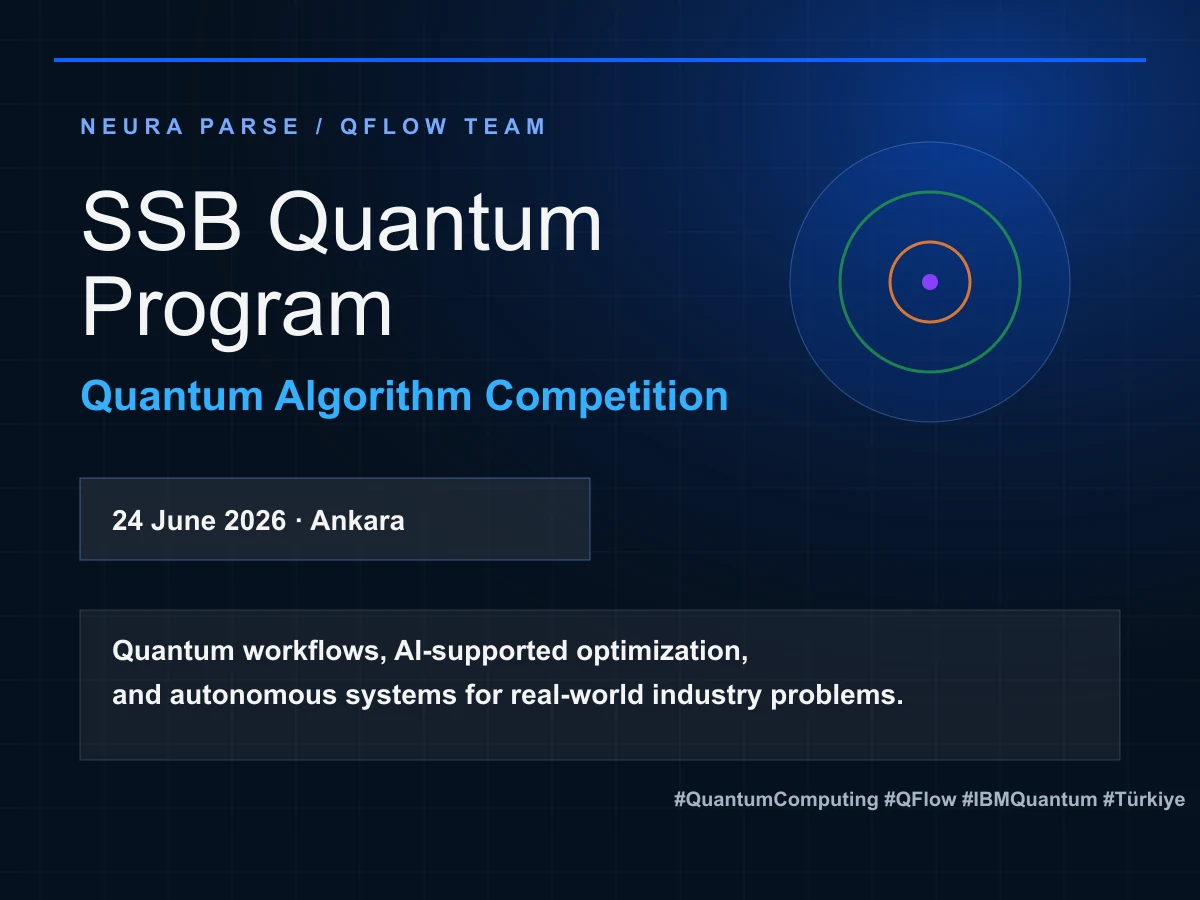
Neura Parse recap graphic
Internal recap graphic connecting the SSB Quantum Program, the competition, and the Neura Parse quantum workflow angle.
The application is submitted
On 26 June 2026, our team QANTIS Nexus submitted its application to the SSB Quantum Algorithm Competition 2026 through the official application center at kuantumyarismasi.ssb.gov.tr. The application was completed the way the program requires it: every member filled their own verified form, and the team lead submitted the common team application once all member forms were done.
This bulletin is the public-safe announcement of that submission. It covers who the team is, why it is named after the QANTIS research line, and which problem sectors we declared. Solution approaches, algorithm designs, and anything specific to the competition problem sets stay out of public posts.
A national quantum ecosystem instrument, not just a contest
The SSB Quantum Algorithm Competition is organized under the leadership of the Presidency of Defence Industries with the cooperation of Türkiye's leading civil institutions, defense industry companies, universities, technoparks, and national and international quantum computing service providers.
The program's stated goals go beyond ranking teams: raising awareness of quantum technologies, strengthening knowledge sharing and cooperation between institutions, developing qualified human capital, and contributing to the sustainable growth of Türkiye's quantum technologies ecosystem. Participation is open to undergraduate, graduate, and doctoral students, graduates, and domain experts working in defense and civil sector organizations.
Communications first, then finance and banking
The competition draws its problems from three sectors: banking, finance, and communications. The challenge format is the solution of optimization and modeling problems derived from these sectors.
In the application, QANTIS Nexus declared its sector preference in this order: communications first, then finance, then banking. That order follows our current research weight. Our 2026 field notes on quantum telecom readiness, AI-native RAN automation, and quantum-safe telecom migration make communications the sector where our problem intuition is deepest, while our quantum finance readiness work covers the model-risk and evidence side of the other two tracks.
- Sector preference 1: Communications, where our telecom readiness and network evidence work concentrates.
- Sector preference 2: Finance, supported by our G7-signal-driven quantum finance readiness notes.
- Sector preference 3: Banking, adjacent to the same optimization and model-governance toolset.
Named after a research line, not a slogan
QANTIS is the Neura Parse quantum decision research line: a quantum-native decision platform organized as a framework, a decision engine that runs Infer, Risk, Optimise, and Verify stages, and applications for problems such as POMDP planning and multi-target tracking. The original QANTIS paper is public on arXiv, and its optimization experiments were validated on real quantum hardware.
QANTIS Nexus is the competition-facing extension of that line. The competition's optimization and modeling problems sit close to the same discipline QANTIS practices: formulate the problem honestly, keep classical baselines visible, run on hardware where it is justified, and record what the result does and does not show. QFlow Studio carries that record-keeping habit into the team's day-to-day workflow.
Four verified members, room for six
QANTIS Nexus currently runs with four identity-verified members out of a maximum of six, in line with the competition's team rules: three to six members including the lead, all identity-verified, joined by invite code, with member changes locked after this stage.
- Bayram Yüksel Eker — team lead; founder of Neura Parse, working across quantum workflows, agentic systems, and autonomy.
- Özgür Nazlı — member; long-time collaborator across the Neura Parse quantum ecosystem work.
- Furkan Deligöz — member; contributor across the quantum and optimization research track.
- Şefik Şuayb Arslan — member; academic collaborator on the QANTIS research line.
Public-safe from here forward
From this point, competition work happens inside the program's boundaries. We will not publish problem details, solution designs, or intermediate results while the competition runs. What we can share publicly are ecosystem-level notes: what a well-run algorithm competition demands from a team's workflow, and how evidence-first habits from QANTIS and QFlow transfer to time-boxed competitive work.
We thank the Presidency of Defence Industries, the organizing institutions, and every partner building Türkiye's quantum ecosystem. Being part of the competition's first cohort with a named, verified team is exactly the kind of concrete participation we hoped for when we attended the program's introduction in Ankara.
Why the verification and locking rules matter
The competition's team rules read as administrative detail but function as program design. Identity verification for every member, invite-code joining, and a locked roster after submission give the organizers a clean, auditable cohort: every team is exactly who it says it is, and results map to named, verified people.
For teams, the same rules impose useful discipline early. A locked roster forces the staffing conversation before the work starts rather than mid-competition, and per-member forms mean every participant has personally committed to the program's terms. Teams that treat this stage casually discover the cost later, when the roster can no longer change.
This structure mirrors what serious programs across defense and research funding already do, and it is part of why the competition reads as an ecosystem instrument rather than a hackathon.
Where this fits in the Neura Parse quantum track
This submission is the third public step in a continuous track. In June, Neura Parse attended the SSB Quantum Program Introduction in Ankara and published a field note on the ecosystem signals. The same month, our quantum vertical readiness bulletin connected telecom, finance, defense, and health signals to workflow evidence. QANTIS Nexus turns that observation into participation.
The through-line is consistent: quantum work becomes useful when its assumptions, baselines, and limits are reviewable. That is the standard the QANTIS research line publishes under, the standard QFlow Studio packages into workflow records, and now the standard a named team carries into a national competition.
Program checklist: what this submission required
The concrete steps behind the announcement, useful to any team preparing an application to the same program.
- 01
Create the team on the official application center and generate the invite code.
- 02
Have every member register, verify identity, and join with the shared code.
- 03
Complete each member's individual form before the team form unlocks for submission.
- 04
Declare the team's sector preference order across communications, finance, and banking.
- 05
Review the common application as a team before the lead submits it.
- 06
Confirm the roster is final: member changes lock after this stage.
- 07
Archive the submitted application state in the team's own records.
- 08
Agree the public-safe boundary for what the team communicates while the program runs.
Terms used in this bulletin.
- SSB
- Savunma Sanayii Başkanlığı, the Presidency of Defence Industries of the Republic of Türkiye, the institution leading the Quantum Algorithm Competition and the broader SSB Quantum Program.
- QANTIS
- The Neura Parse quantum decision research line: a quantum-native decision platform with a public arXiv paper, organized as a framework, decision engine, and applications for decisions under uncertainty.
- Invite code
- The code a team lead generates on the application center; members join the team by registering with their own verified accounts and entering the shared code.
- Optimization and modeling problems
- The competition's problem format: sector-derived tasks from banking, finance, and communications where teams formulate the problem mathematically and solve it with quantum or hybrid methods.
- Public-safe announcement
- A publication that shares participation facts, team identity, and ecosystem context while keeping problem details, solution approaches, and results inside the program.
Questions program teams ask.
Q01What exactly was submitted on 26 June 2026?
The common team application of QANTIS Nexus to the SSB Quantum Algorithm Competition 2026, through the official application center at kuantumyarismasi.ssb.gov.tr. Every member completed their own identity-verified form first; the team lead then submitted the shared team application, as the program requires.
Q02Who is on the QANTIS Nexus team?
Four verified members out of a possible six: Bayram Yüksel Eker as team lead, with Özgür Nazlı, Furkan Deligöz, and Şefik Şuayb Arslan. The roster is locked under the competition's team rules, which require three to six identity-verified members joined by invite code.
Q03How does the team relate to the QANTIS research line?
QANTIS Nexus is named after QANTIS, the Neura Parse quantum decision research line whose original paper is public on arXiv. The competition's optimization and modeling problems sit close to the discipline QANTIS practices: honest formulation, visible classical baselines, hardware runs where justified, and recorded evidence. The team carries that standard into the competition format.
Q04Which problem sectors will the team work on?
The competition draws optimization and modeling problems from banking, finance, and communications. QANTIS Nexus declared its preference in this order: communications first, then finance, then banking, matching where Neura Parse's research weight currently sits. Problem assignment beyond that preference belongs to the program.
Q05Will Neura Parse share competition results or rankings?
Only what the organizers make public, after they make it public. While the competition runs, problem details, solution designs, and intermediate results stay inside the program. Ecosystem-level lessons about running evidence-first competition workflows may appear later as field notes in public-safe form.