
P01
The dependency graph crosses network domains
Decision questionCan each cryptographic dependency be traced across service, control, management, supply-chain, and operational boundaries?
SVQuantum-Ready Communications
Plan telecom quantum readiness across PQC migration, QKD fit, network evidence, edge rollout, and operator controls.
Telecom operators · Critical infrastructure · Network security teams

Quantum telecom readiness · Engineering setting
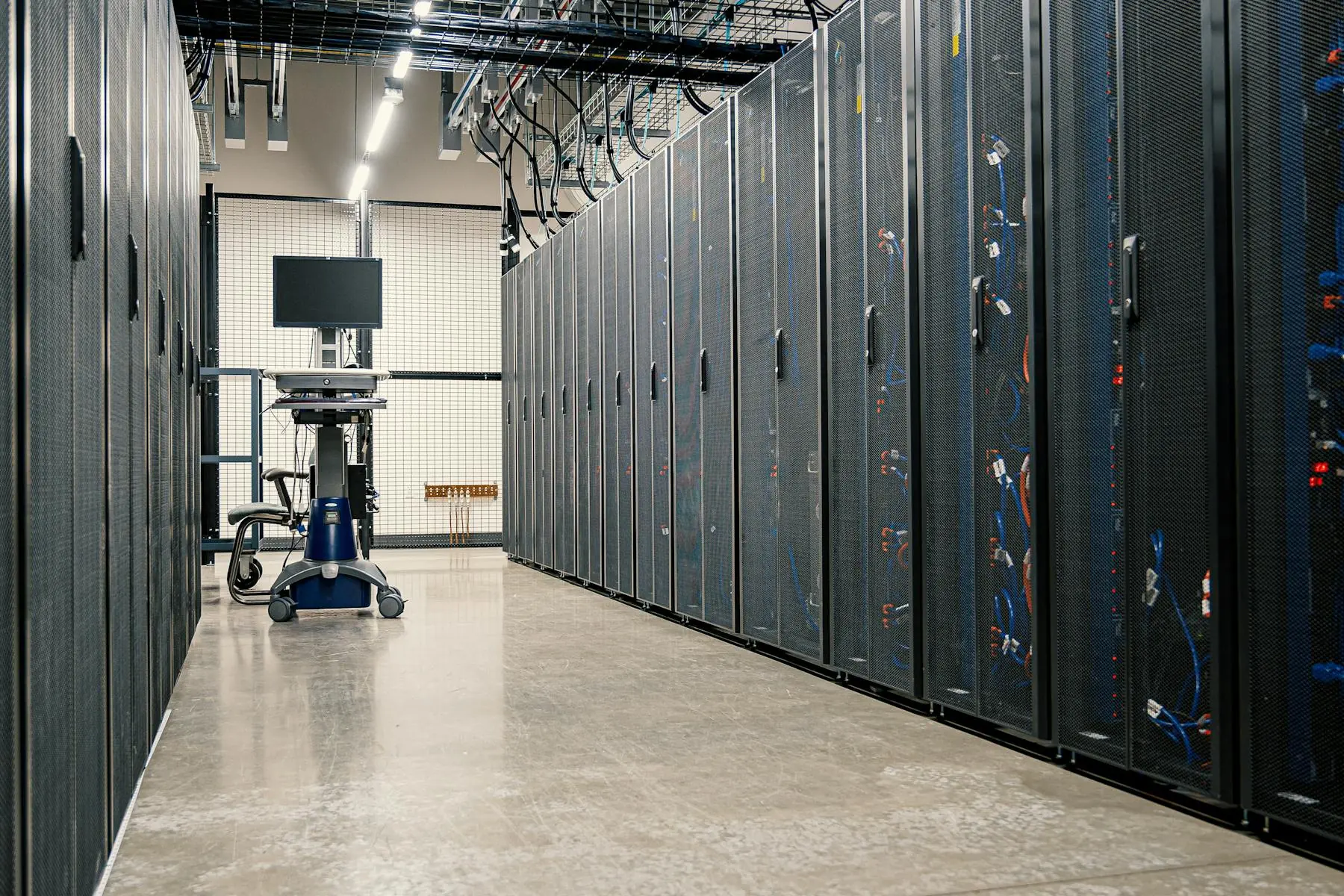
Quantum telecom work maps cryptographic inventory, network dependencies, QKD fit, edge rollout constraints, vendor status, and rollback paths into one readiness register.
Layer 01
Layer 02
Layer 03
Layer 04
01 · Mission context
Mobile and fixed networks contain long-lived, distributed cryptographic dependencies across RAN, transport, core, roaming, operations, edge, devices, and suppliers. The primary enterprise path is standards-based PQC migration; QKD is assessed separately as specialized physical infrastructure with its own trust, distance, integration, and operational constraints.
Network sequencing
Telecom discovery follows public-key dependencies through RAN, transport, core, edge, OSS/BSS, management, roaming, interconnect, devices, code signing, and cloud-native functions. Each protocol and trust path is attached to its operator owner, vendor version, partner dependency, maintenance window, and replacement cycle so a local upgrade is not mistaken for an end-to-end migration.
P01
Decision questionCan each cryptographic dependency be traced across service, control, management, supply-chain, and operational boundaries?
P02
Decision questionWhich migration steps are operator-controlled, standards-dependent, vendor-blocked, or constrained by partner interoperability?
P03
Decision questionHas the candidate design been measured at representative session volume, topology, failure behavior, and network conditions?
P04
Decision questionIs a proposed QKD link justified by a specific topology and threat model after PQC and conventional controls are considered?
Sequencing combines confidentiality and trust lifetime with service criticality, session scale, device constraints, standards support, and supplier evidence. Post-quantum cryptography remains the broad software migration path. A QKD candidate enters a separate assessment only when a specific topology, threat model, key demand, physical route, and operating burden remain defensible after conventional alternatives are considered.
The dependency graph crosses network domains. IPsec, TLS, PKI, management access, signaling, roaming, software signing, SIM and device ecosystems, cloud-native functions, and vendor appliances have different owners and replacement cycles.
Vendor and standards timing will differ. Network functions, HSMs, routers, base stations, devices, orchestration stacks, and interconnect partners may support algorithms and hybrid modes on different schedules.
Protocol overhead affects real networks. Larger keys, certificates, signatures, and messages may interact with MTU, fragmentation, handshake timing, CPU, memory, session scale, and constrained links.
PQC and QKD solve different engineering problems. PQC changes algorithms on general computing platforms; QKD introduces dedicated quantum and classical channels, key-management layers, trusted nodes, and new operational dependencies.
02 · Delivery system
Inputs, outputs, maturity, and the evidence boundary travel together. Capability is never separated from the condition under which it can be accepted.
Inventory protocols, certificates, keys, signing, network functions, devices, vendors, roaming and interconnect surfaces across RAN, transport, core, edge, OSS/BSS, and management systems.
Output · Network CBOM · domain map · owner and vendor register · discovery gaps
Prioritize by confidentiality and trust lifetime, exposure, critical service, session scale, protocol support, device lifecycle, vendor readiness, maintenance windows, and partner dependencies.
Output · Domain scorecard · target-state patterns · dependency sequence · exception and vendor-action register
Test one representative boundary such as IPsec/IKE, service TLS, PKI, code signing, or roaming integration with actual functions, traffic profiles, observability, and rollback.
Output · Pilot design · configuration · interoperability and performance evidence · defect and rollback record
Evaluate the physical link, trusted nodes, key managers, quantum and classical channels, distance, availability, integration, security boundary, operations, and application key consumption for a specialized candidate link.
Output · PQC-versus-QKD decision matrix · reference topology · assumption and risk register · proceed or stop gate
Inventory protocols, certificates, keys, signing, network functions, devices, vendors, roaming and interconnect surfaces across RAN, transport, core, edge, OSS/BSS, and management systems.
Prioritize by confidentiality and trust lifetime, exposure, critical service, session scale, protocol support, device lifecycle, vendor readiness, maintenance windows, and partner dependencies.
Test one representative boundary such as IPsec/IKE, service TLS, PKI, code signing, or roaming integration with actual functions, traffic profiles, observability, and rollback.
Evaluate the physical link, trusted nodes, key managers, quantum and classical channels, distance, availability, integration, security boundary, operations, and application key consumption for a specialized candidate link.
03 · System boundary
The evaluation path uses representative functions, certificates, message sizes, MTU behavior, session establishment, rekey, traffic volume, CPU and memory load, alarms, failures, and fallback. Results remain tied to the tested vendor releases and topology, allowing engineering teams to separate protocol feasibility from the broader availability and interoperability decisions of a live network.
Reference layers support scoping. Interfaces, owners, and target-system constraints remain subject to validation.
Network functions, protocols, identities, certificates, keys, software, devices, interconnects, vendors, data classes, and owners form one dependency graph.
Typical elements · RAN IPsec · service TLS · PKI · roaming · signing · device and OSS/BSS links
Allowed patterns, version support, validation state, vendor commitments, partner dependencies, exceptions, cohorts, and change gates are managed centrally.
Typical elements · Algorithm policy · vendor matrix · cohort · exception expiry · maintenance window
PQC protocol pilots and any separately justified QKD topology are tested against representative traffic, failure, observability, security, and operations requirements.
Typical elements · IPsec/IKE testbed · TLS load · certificate chain · QKD key manager · link telemetry
Approvals, configuration, installation proof, service impact, alarms, incidents, partner coordination, rollback, and residual risk remain tied to each change.
Typical elements · Campaign record · NOC dashboard · change ticket · install receipt · rollback and post-change review
Operational handover records cohort gates, network-observation signals, change tickets, supplier actions, partner tests, exception owners, maintenance authority, and rollback evidence. For any specialized QKD study, quantum and classical channels, trusted nodes, key managers, site controls, and application consumption remain explicit rather than being folded into the PQC campaign.
04 · Assurance dossier
The primary story remains calm; profiles, scope, handover evidence, and discovery questions stay available as a structured technical annex.
A lab reproduces an IPsec/IKE boundary with representative base-station and gateway software, message sizes, session establishment, rekey, failure, observability, and fallback.
An operator maps service TLS, PKI, interconnect, roaming, API, cloud, and partner trust dependencies, then sequences changes with vendors and counterparties.
A fixed high-value link is assessed for quantum channel, classical channel, trusted-node, key-manager, site, availability, integration, operations, and alternative-control constraints.
Included in this service pattern
Not implied by this page
Handover evidence
The network register shows reviewed RAN, transport, core, edge, OSS/BSS, service, device, roaming, partner, and vendor surfaces plus known gaps and owners.
Topology, versions, traffic, session volume, MTU, rekey, failure, alarms, CPU, memory, timing, maintenance, and rollback criteria are documented and measured where applicable.
Each material vendor or partner dependency has an evidence request, current response, required capability, target gate, owner, exception, and contingency.
The roadmap identifies the broad software-cryptography migration and records any QKD candidate with its distinct physical, trust, security, integration, and operating assumptions.
Discovery questions
Evidence register
References shape requirements and review questions. Inclusion does not imply certification, endorsement, partnership, or approval by the publisher.
05 · Engagement record
Inspectable outputs close the engagement; related services point only to the next bounded step.
Deliverables
Engagement artifacts
05 records per engagement
Quantum-Ready Communications
Create a practical PQC, QKD, and network evidence programme for telecom systems.