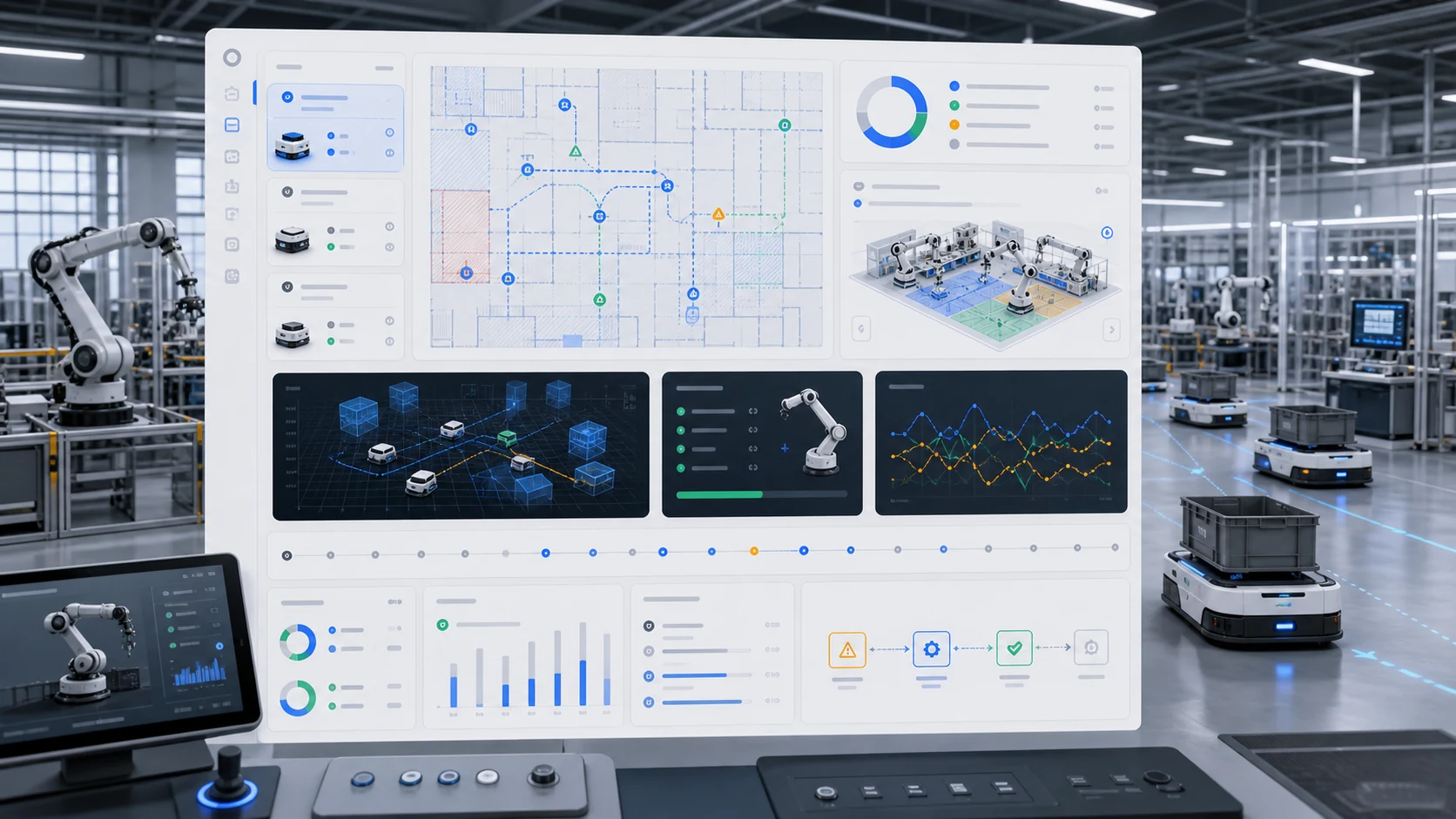
The practical robotics gap is the operating surface between AI models and real machines: digital twins, safety zones, OTA, model evaluation, exception workflows, maintenance handoff, and runtime evidence across fleets.
Gap map
Robotics fleet operations map
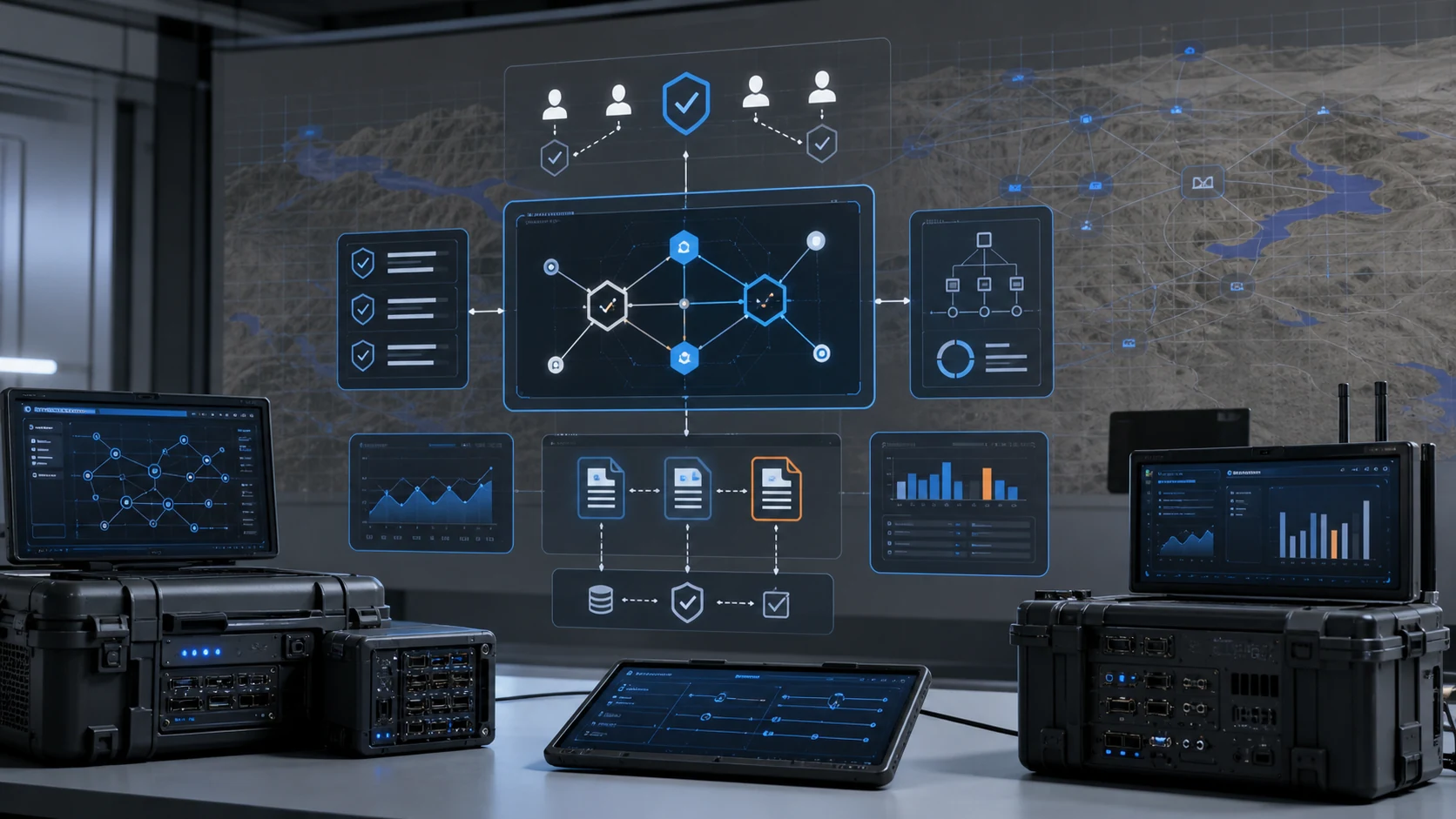
Physical AI becomes valuable when models, machines, workflows, and evidence move through one controlled operating loop.
Design
- Digital twin
- Task library
- Safety envelope
- Simulation baseline
Deploy
- Signed model
- Edge package
- OTA window
- Rollback condition
Operate
- Fleet telemetry
- Exception queue
- Maintenance handoff
- Performance review
June 2026 signal
Physical AI is shifting from model demos to operating systems for machines.
NVIDIA's 2026 physical-AI and Jetson Thor signals show the market direction: robotics teams want foundation-model capability, simulation, edge acceleration, and deployment paths closer to real machines. IFR World Robotics provides the adoption backdrop for industrial and service robots as operational assets.
The gap for Neura Parse is not building a generic robot model. It is the fleet operations layer that makes robots manageable: tasks, policies, digital twins, model releases, safety states, telemetry, exceptions, and maintenance workflows.
Research gap
The hard part is generalization under plant-floor constraints.
Factories, warehouses, labs, hospitals, and field sites do not behave like benchmark videos. Lighting changes, floor markings move, humans enter zones, network conditions fluctuate, and hardware ages. A robotics product needs a way to test and update models without turning operations into uncontrolled experiments.
That means every model update should pass through simulation, edge profiling, safety-zone validation, staged rollout, and exception monitoring before it becomes a fleet default.
- Connect simulation and digital twin evidence to actual deployment decisions.
- Treat safety zones, speed limits, payload rules, and human-proximity constraints as runtime policy.
- Run edge model evaluation on target hardware, not only in cloud notebooks.
- Measure exceptions, interventions, near-misses, and maintenance events as product data.
Product architecture
NowFlow and NeuralOS should turn robots into managed fleets.
NowFlow can handle the workflow layer: task assignment, exception routing, work orders, approval gates, shift handoff, supplier coordination, and reporting. NeuralOS can handle the edge layer: signed runtime, ROS 2/DDS integration, OPC UA bridges, local inference, OTA rollback, and telemetry health.
Together they make robotics operations legible to engineering, operations, safety, and management teams. The UI should show tasks and exceptions, not only robot positions.
- Represent every robot as a release-bearing asset with model version, runtime version, hardware profile, and policy envelope.
- Integrate ROS 2, DDS Security, OPC UA, MQTT, and MES/WMS systems through clear adapters.
- Use NowFlow for human handoff when a robot is blocked, uncertain, damaged, or out of policy.
- Use QANTIS where route, scheduling, or multi-agent coordination needs uncertainty-aware decision evidence.
UI pattern
Robotics pages should look like operations software, not stock factory art.
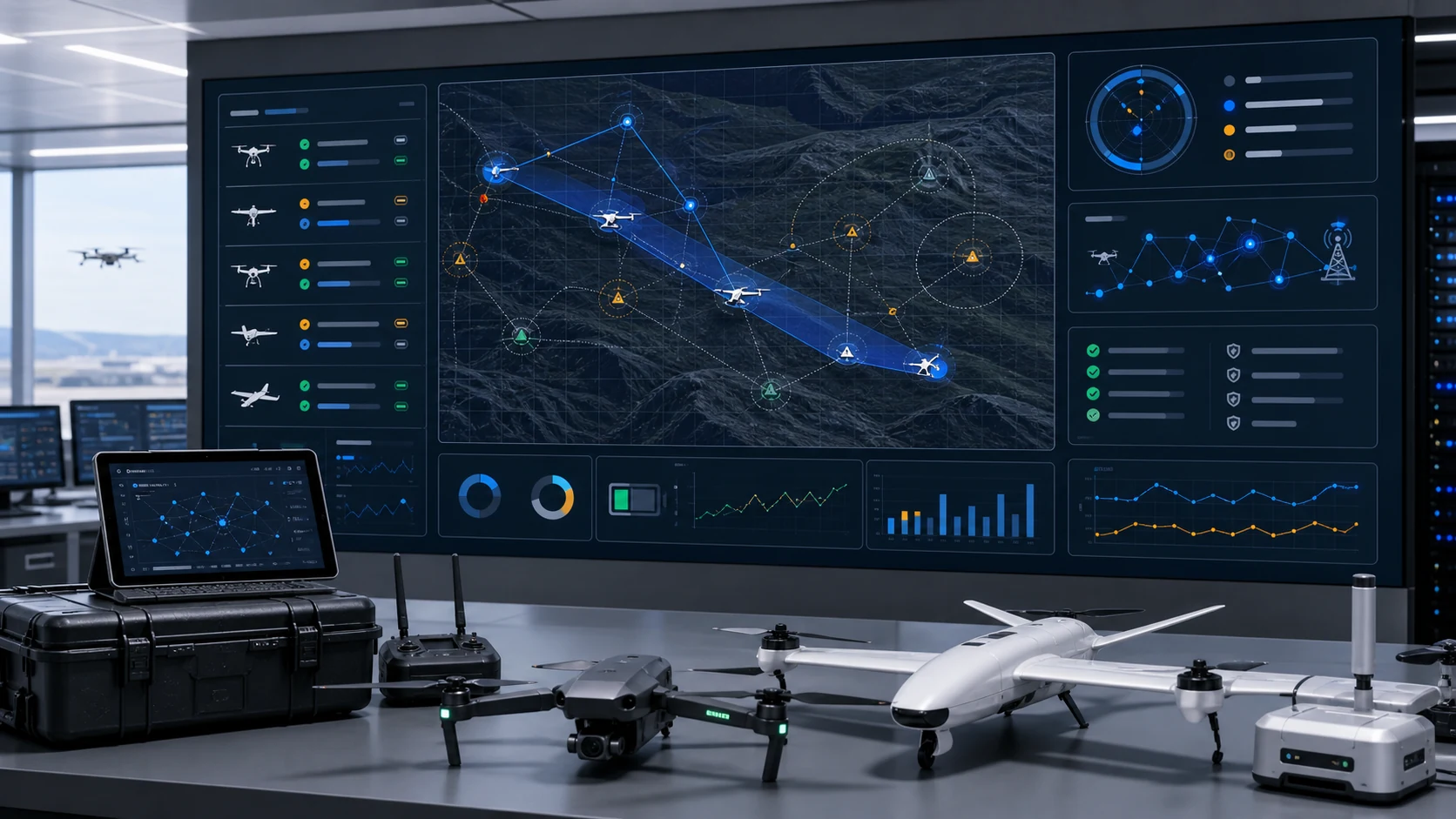
The strongest visual direction is an operating console with a plant map, mobile robot routes, cell-level digital twins, safety-zone overlays, model health, OTA state, and exception timelines. This makes the product concrete and explains where Neura Parse fits.
The same flow works for AMR, AGV, cobot, inspection, lab automation, and industrial edge AI scenarios.
Trend thesis
Own robotics fleet operations for physical AI.
Physical AI will remain a high-interest keyword, but the buyer problem is operational. Neura Parse should target robotics fleet operations, industrial edge AI, digital twin workflows, and signed model deployment.
That positioning connects current research momentum to product pages without overclaiming humanoid general intelligence or universal autonomy.
Practical takeaways
Robotics value in 2026 depends on fleet operations, not isolated demos.
Digital twins, simulation baselines, safety zones, and OTA must be workflow objects.
NeuralOS can own edge robotics runtime, protocol bridges, model packaging, and rollback.
NowFlow can own task assignment, exception handling, maintenance, and reporting.
SEO should target physical AI fleet operations, robotics edge runtime, and industrial digital twin workflows.
Sources reviewed
Source 01
NVIDIA physical AI, March 2026
Source 02
NVIDIA Jetson Thor platform
Source 03
NVIDIA physical AI models, January 2026
Source 04
International Federation of Robotics World Robotics
Industrial and service robot market data, density, installation, and regional trend reference.
Source 05
DARPA RACER robotic autonomy programme
Robotic Autonomy in Complex Environments with Resiliency programme for off-road autonomy, perception, and resilient control.