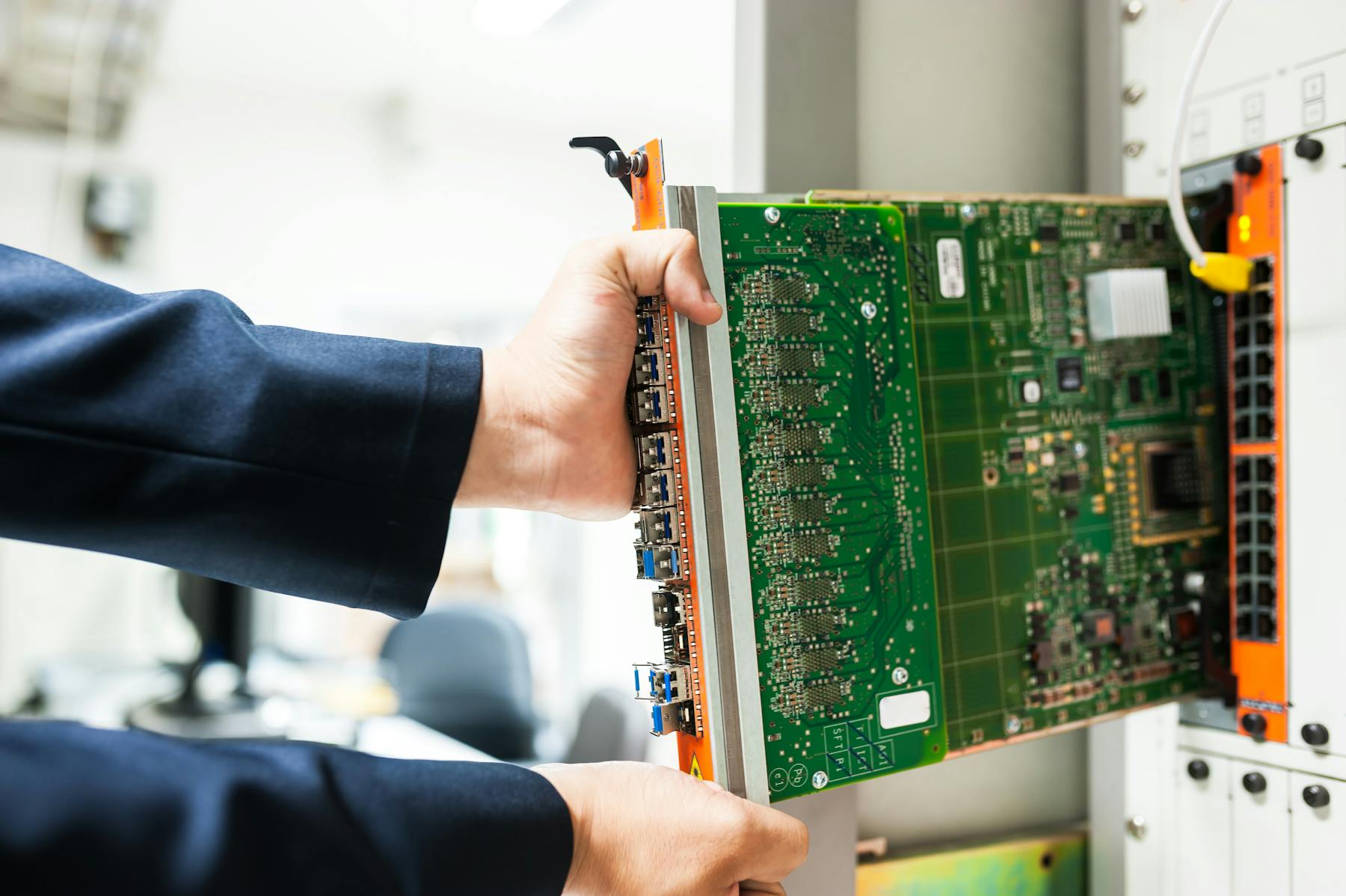

Hybrid intelligence lets local models handle fast private context while cloud models handle broader reasoning, retrieval, and orchestration.
Local models change product expectations.
Apple's Foundation Models framework gives developers a direct route to on-device intelligence. The important product idea is not only privacy; it is the ability to create responsive local experiences when a network call is undesirable.
For Neura Parse, the lesson touches both NeuraBar and NeuralOS. A macOS workspace tool should feel instant when summarizing local context. An embedded device should keep critical inference near hardware when latency, bandwidth, or privacy makes cloud dependency risky.
The pattern is hybrid intelligence.
Local models handle fast, private, contextual tasks. Cloud models handle heavy reasoning, broad retrieval, and cross-system orchestration. A serious product needs a routing layer based on sensitivity, latency, cost, and required capability.
Practical takeaways
Define local-first tasks separately from cloud-reasoning tasks.
Make privacy and latency visible product requirements, not afterthoughts.
Use local context carefully so developer and operator workflows stay fast.
Design graceful degradation when network access, model access, or tool access changes.