
Solution / Edge software evaluation
Start with the operating conditions.
A useful evaluation names the target environment, workload, constraints and independent controls. These details matter more than a generic deployment promise.
Follow the approach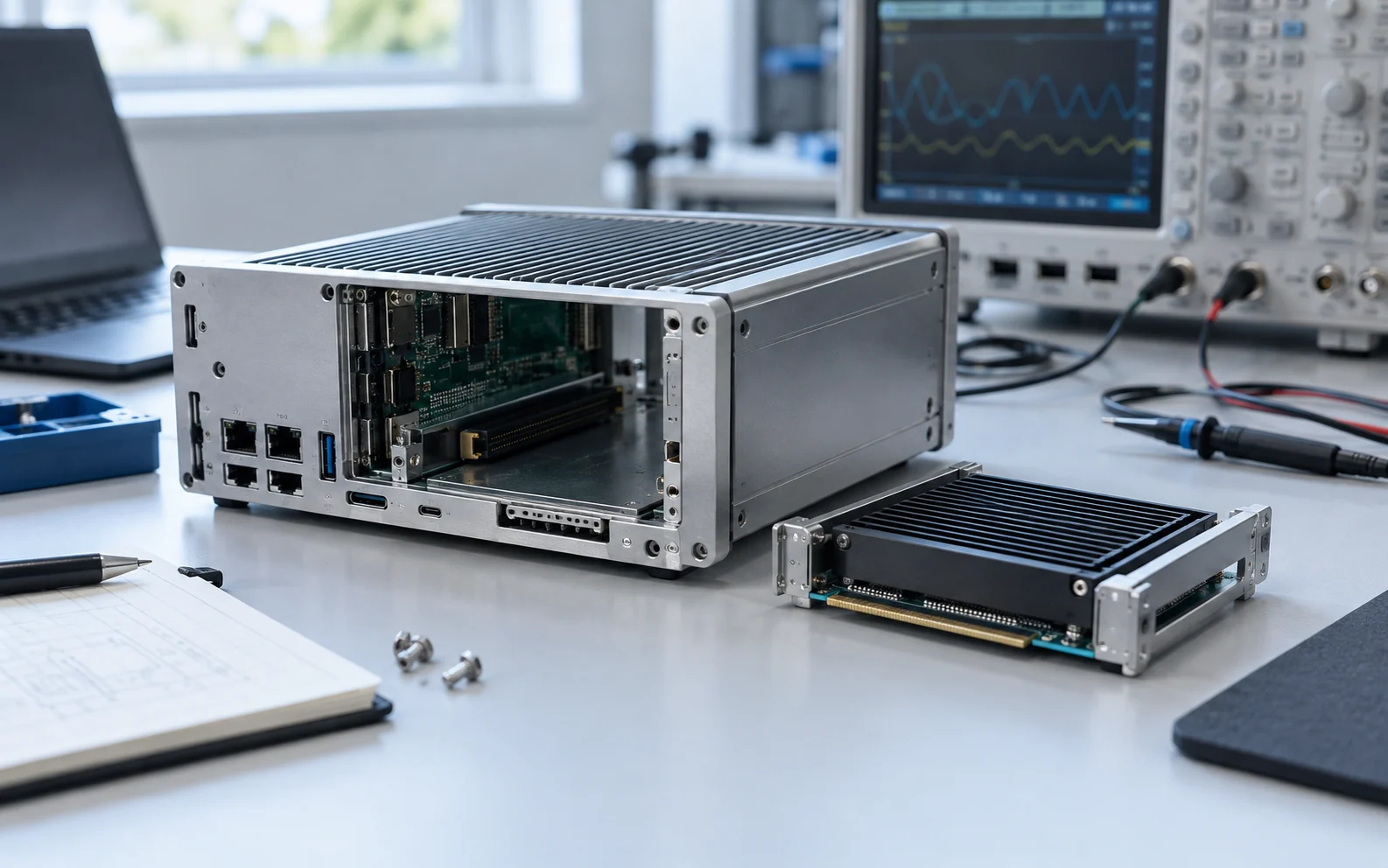
The question
What qualifies the target device?
A bootable software reference can show behavior in its stated environment. It cannot establish timing, thermal, safety or control behavior on a different physical device.
- 01
Which reference and target environment are being compared?
- 02
What workload, control and resource limits apply?
- 03
What target-specific evidence would be needed before physical operation?
A bounded evaluation
Compare the reference with the target.
- 01
Name the target
Record the target device, workload, interfaces and independent safety controls.
- 02
Inspect the reference
Inspect the public QEMU reference and the scope of its simulation and release evidence.
- 03
List qualification gaps
List device-specific integration, testing and approval evidence needed before physical operation.
Relevant product
NeuraOS
NeuraOS is an operating-system foundation for physical AI. Its public edition describes an x86-64 QEMU reference, governed policies and device-integration contracts; the public repository provides a README, not a binary release.
Explore the product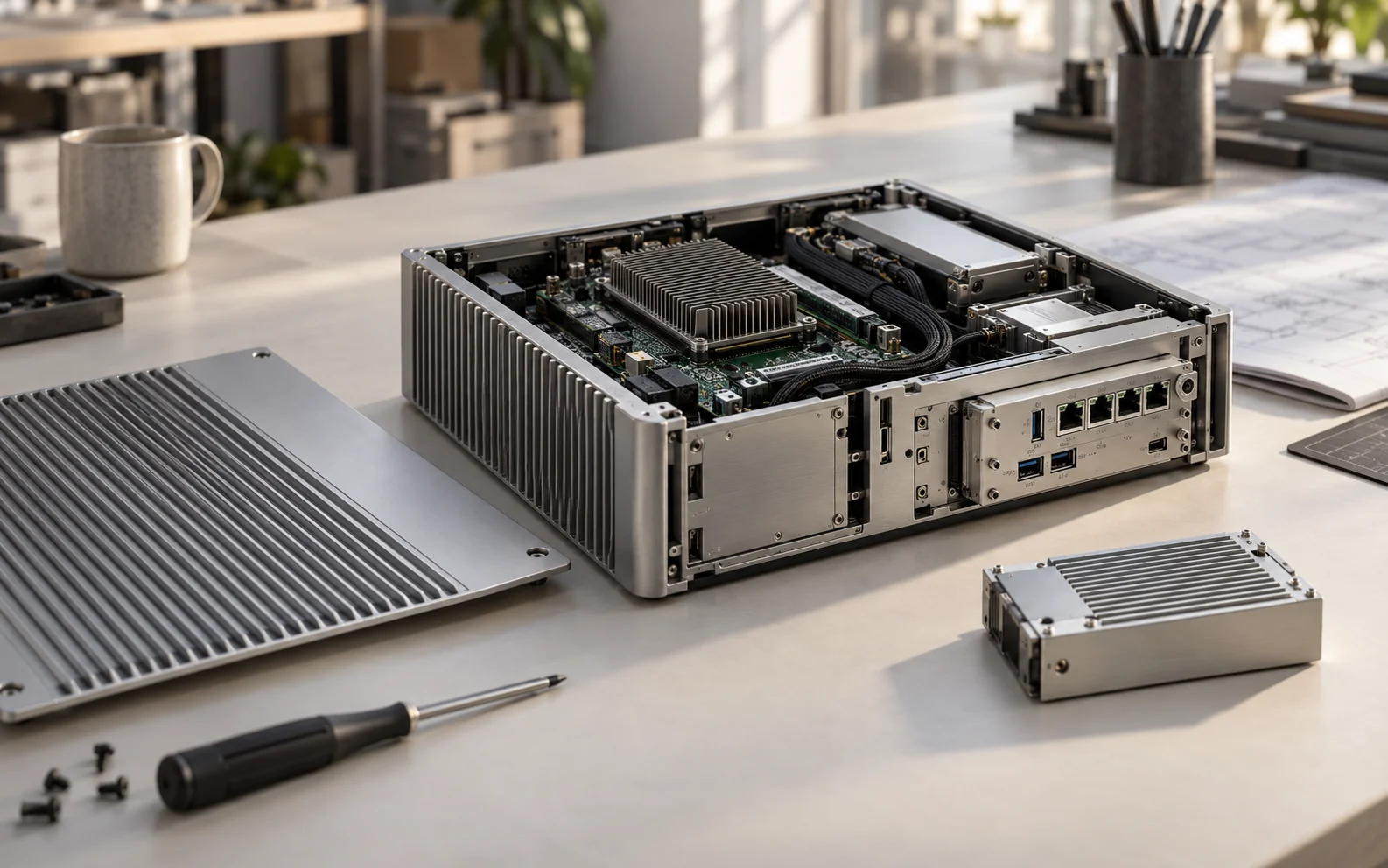
Useful output
A decision someone can review.
A target-specific gap list and qualification plan rather than a deployment assertion.
Current boundary
The NeuraOS public reference is not a physical-operation authorisation. Reference results and target qualification are separate records.