
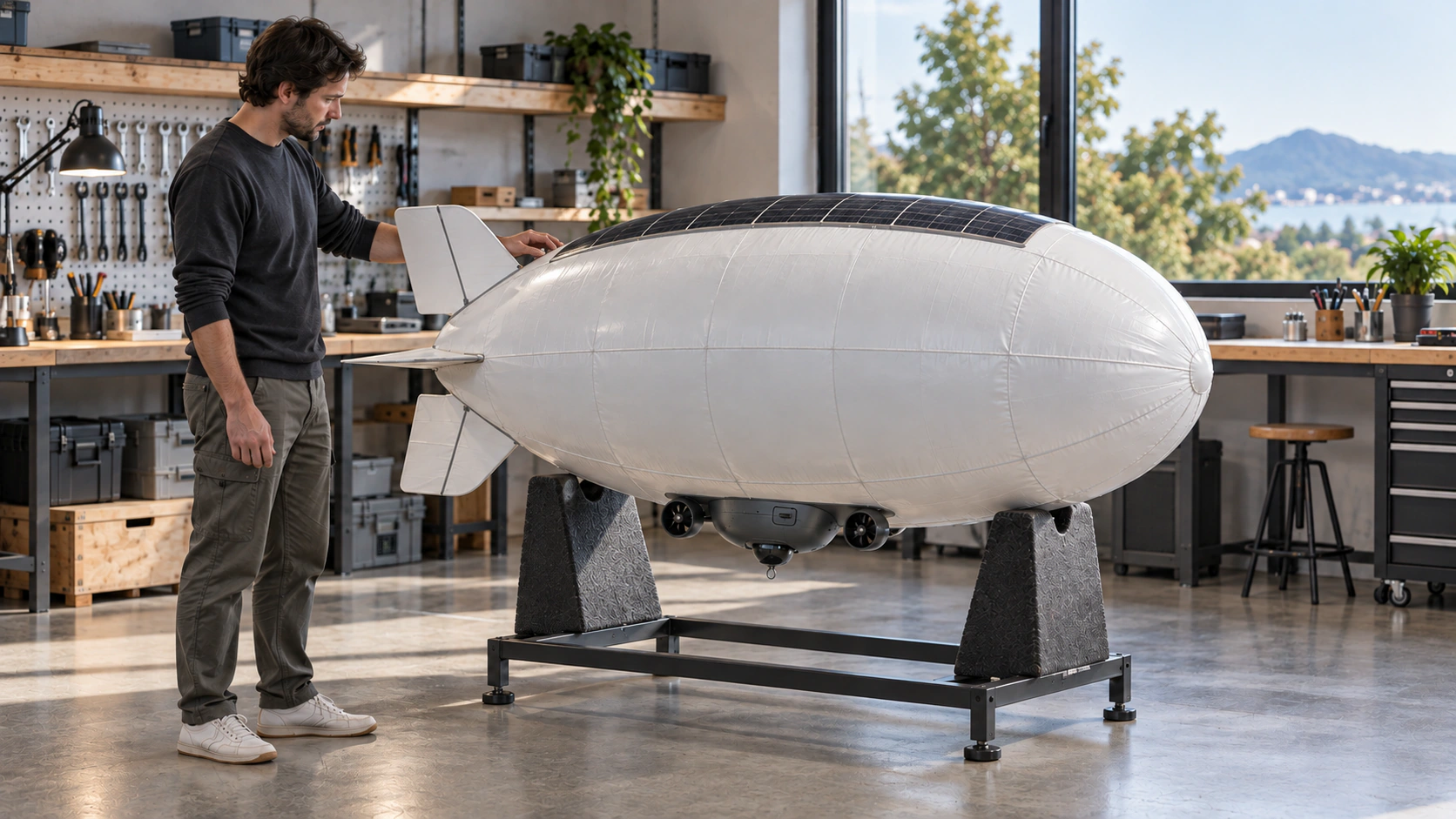
AER-01 / Development and testing
NODERIQ AERA
Compact solar-assisted lighter-than-air platform
For portable aerial observation: define a local area, the sensor task and a recovery point before release.
View the device pageNeura Parse hardware / testing in progress
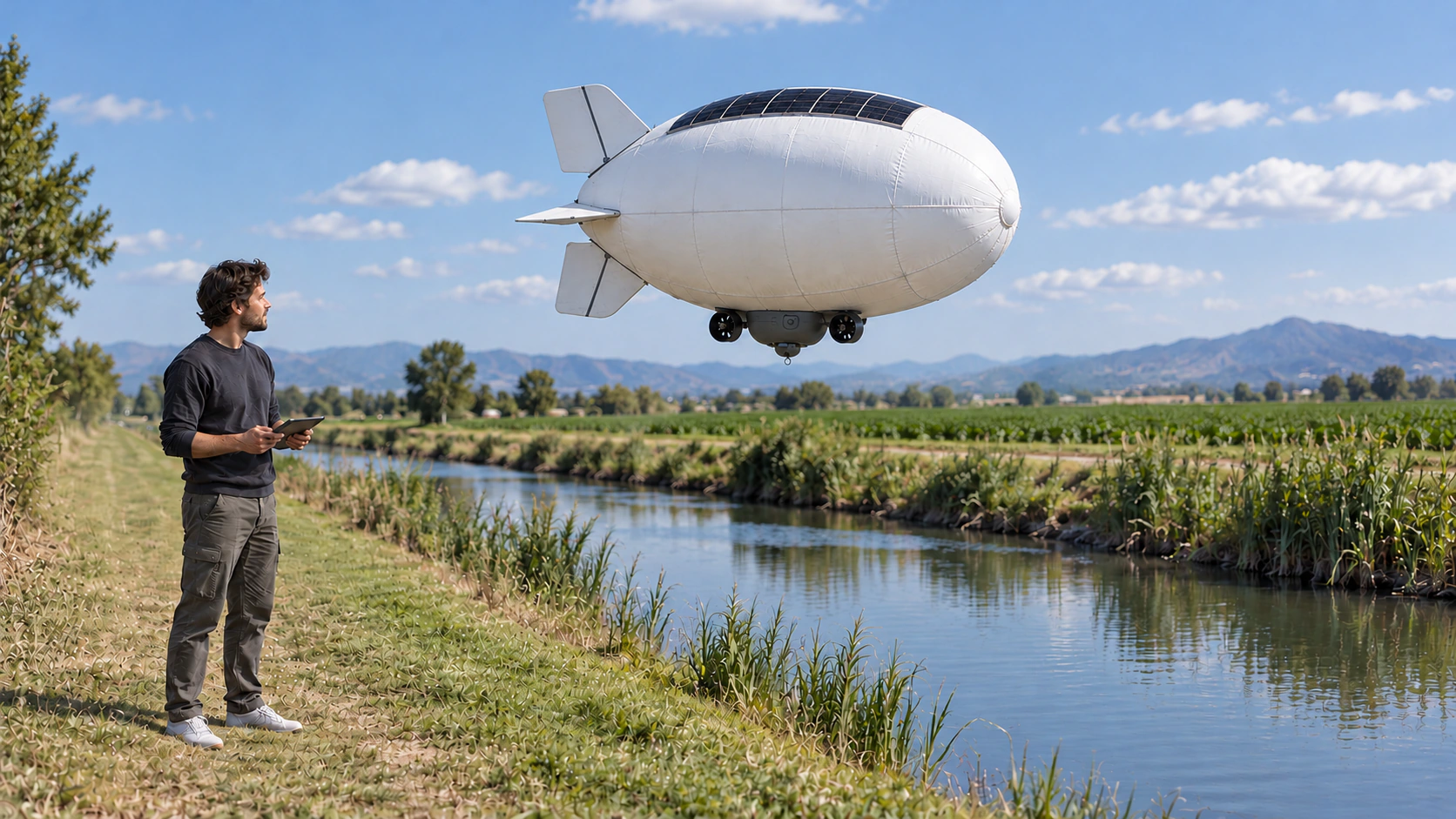
AERA brings a solar-assisted, lighter-than-air platform to aerial observation. MIRA pairs mini autonomous drones with assigned solar parking points for regular area monitoring. Both are Neura Parse hardware in development and testing for NODERIQ.
Explore the devicesThe NODERIQ device family
AER-01 / Development and testing
Compact solar-assisted lighter-than-air platform
For portable aerial observation: define a local area, the sensor task and a recovery point before release.
View the device page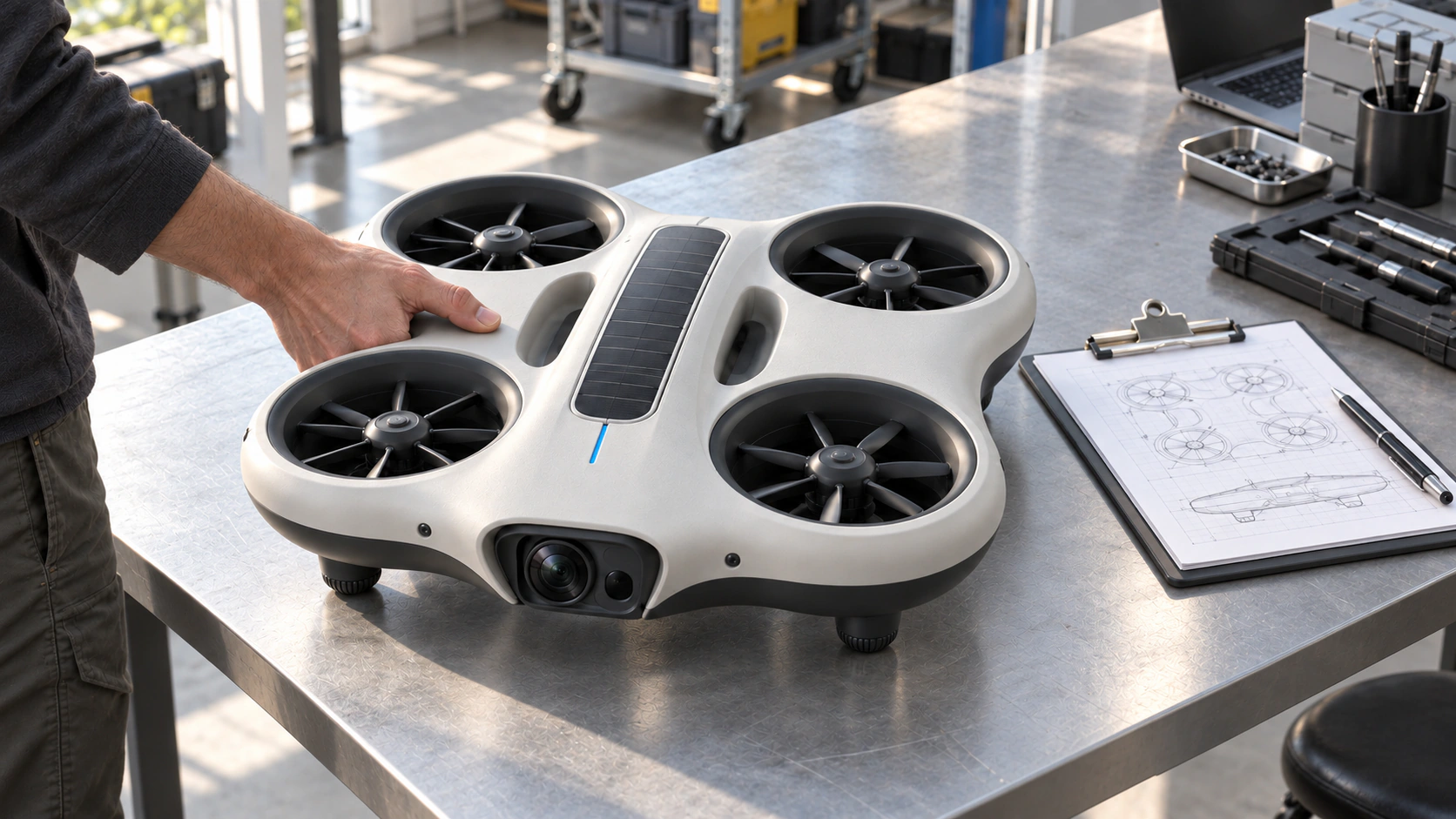
MDR-01 / Development and testing
Solar-assisted mini drone and docking system
For recurring local observation: assign an area, an observation interval and a return point before planning the next task.
View the device pageIntended uses
Connect local observations to a geographic reference and, where available, licensed satellite map layers. Capture time, location, source and resolution need to stay visible when comparing observations.
Useful output
A location-linked observation record to compare with the selected map source. Satellite access and mapping accuracy require their own validation.
Observe defined areas over time: vegetation, water boundaries, agricultural plots or changes in a landscape. Choose and test the sensor and ground-reference method for each question before interpreting a change.
Useful output
A monitoring area, collection schedule and comparison record, with the evidence needed to review a possible change.
Bring useful observations into the mission while they are still relevant. Delivery depends on sensing, processing and connectivity. A lost link or an old frame must remain visible to the operator.
Useful output
Timestamped mission context with source health and explicit treatment of delayed or missing information.
The NODERIQ connection
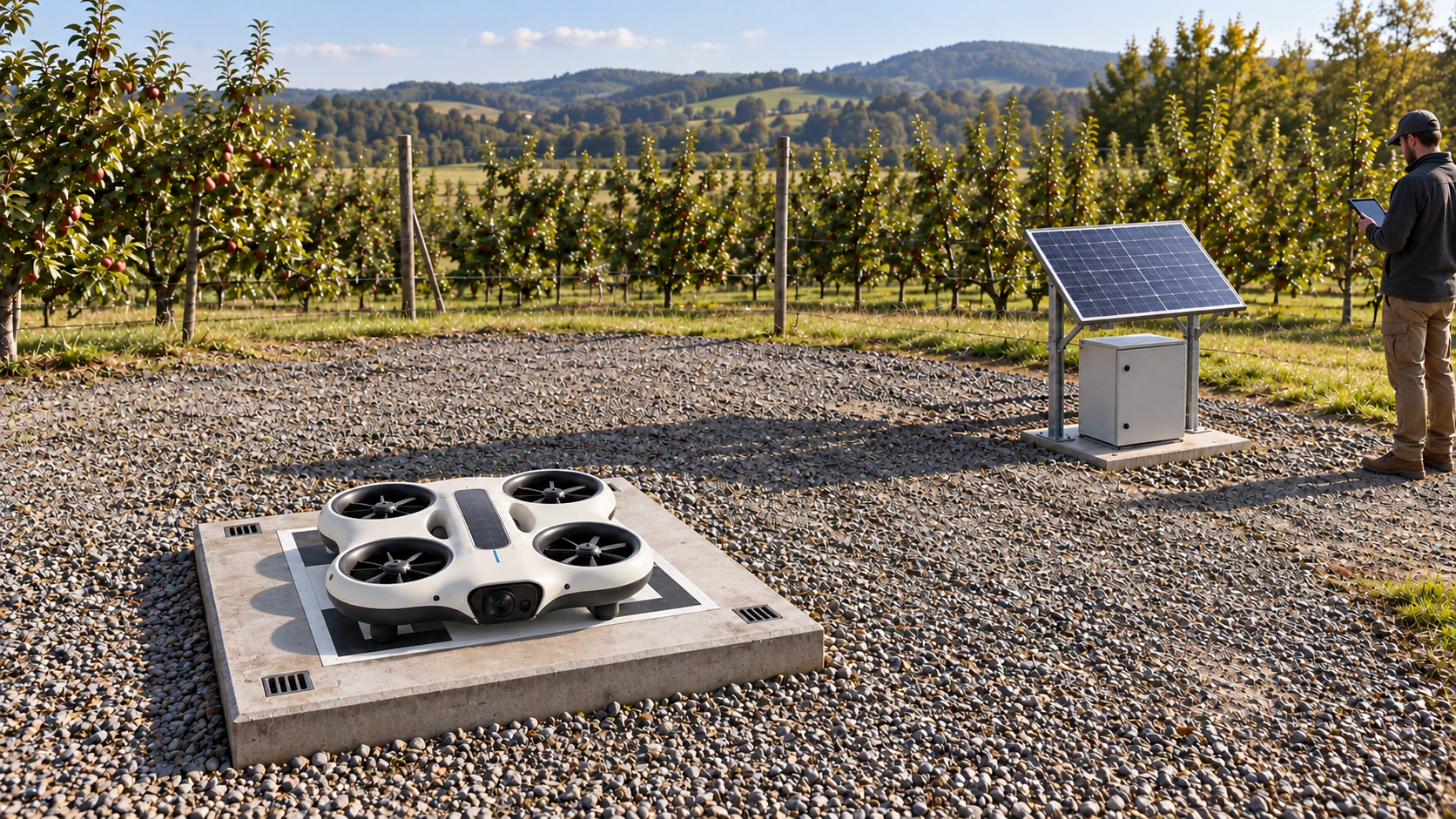
The intended workflow combines device observations with mission context and geographic references. Satellite-derived maps can provide a separate reference layer where access, licensing and suitability permit. AERA and MIRA operate within the atmosphere; satellite imagery is a separate external source.
NowFlow connects review and human decisions. NeuraOS supplies the edge foundation. Device integration, data timing and the operating envelope remain part of the testing and acceptance work.
Environmental responsibility
Solar power is part of the design direction. Responsible operation also needs a measured account of the complete device, the mission and what happens after use.
Current development stage
Neura Parse is developing and testing these devices for intended use with NODERIQ. The current pages describe the device direction and planned uses. Detailed operating specifications and acceptance results will follow the relevant tests.
The test programme must establish the operating envelope, observation quality, energy budget, connection recovery and return behaviour. Published results will need to support any later coverage, endurance, latency or environmental performance claim. NODERIQ integration and physical operation each require acceptance.
These sources explain buoyancy, observation, landing guidance and solar layout. They provide external engineering context; they do not verify Neura Parse hardware, establish its final design or claim a partnership or adopted software integration.